

Beyond Vikram-1: The Rise of India's Space Economy
India's digital economy is powering unprecedented growth through UPI, AI, fintech, ONDC and Digital Public Infrastructure. As startups, MSMEs and enterprises embrace digital innovation, India is emerging as a global technology leader. This editorial explores how digital transformation is driving entrepreneurship, financial inclusion, economic growth and new business opportunities while shaping the
India's digital economy is no longer just a success story—it is becoming the backbone of the nation's economic transformation. What began as a push towards digital payments and online governance has evolved into a comprehensive ecosystem connecting consumers, businesses, startups and governments through technology. Today, platforms such as the Unified Payments Interface(UPI), digital commerce networks and fintech innovations are redefining how India conducts business, making the country one of the world's fastest-growing digital economies.
At the heart of this transformation is UPI, which has revolutionised the way Indians make payments. From roadside vendors and neighbourhood grocery stores to multinational retailers and large enterprises, digital transactions have become a part of everyday life. What was once considered an urban convenience has now reached small towns and villages, bringing millions into the formal financial system. More importantly, UPI has become a global benchmark, with several countries exploring partnerships or adopting India's digital payment architecture for cross-border transactions.
However, India's digital success is not limited to payments. The country's digital public infrastructure—including Aadhaar, DigiLocker, ONDC and other India Stack platforms—has created an innovation-friendly foundation upon which startups can build scalable products. Unlike traditional infrastructure, digital public infrastructure reduces entry barriers, lowers operating costs and enables entrepreneurs to focus on solving real-world problems instead of rebuilding basic technology layers. This has encouraged rapid innovation across fintech, healthcare, education, logistics, agriculture and e-commerce.
The growth of digital commerce is equally significant. As smartphone penetration increases and internet access expands into Tier-II and Tier-III cities, millions of first-time consumers are joining the online economy. Digital marketplaces are no longer serving only metropolitan India; they are empowering local manufacturers, artisans, retailers and MSMEs to reach customers nationwide. This democratisation of commerce has created unprecedented opportunities for entrepreneurs to build businesses that are both scalable and inclusive.
For startups, this is perhaps the most exciting phase in India's entrepreneurial journey. Digital infrastructure has dramatically reduced the cost of launching and scaling businesses. Founders today can leverage cloud computing, AI, digital payments and online distribution channels to serve customers across the country without investing heavily in physical infrastructure. As a result, innovation is increasingly shifting from large corporations to agile startups capable of responding quickly to changing market needs.
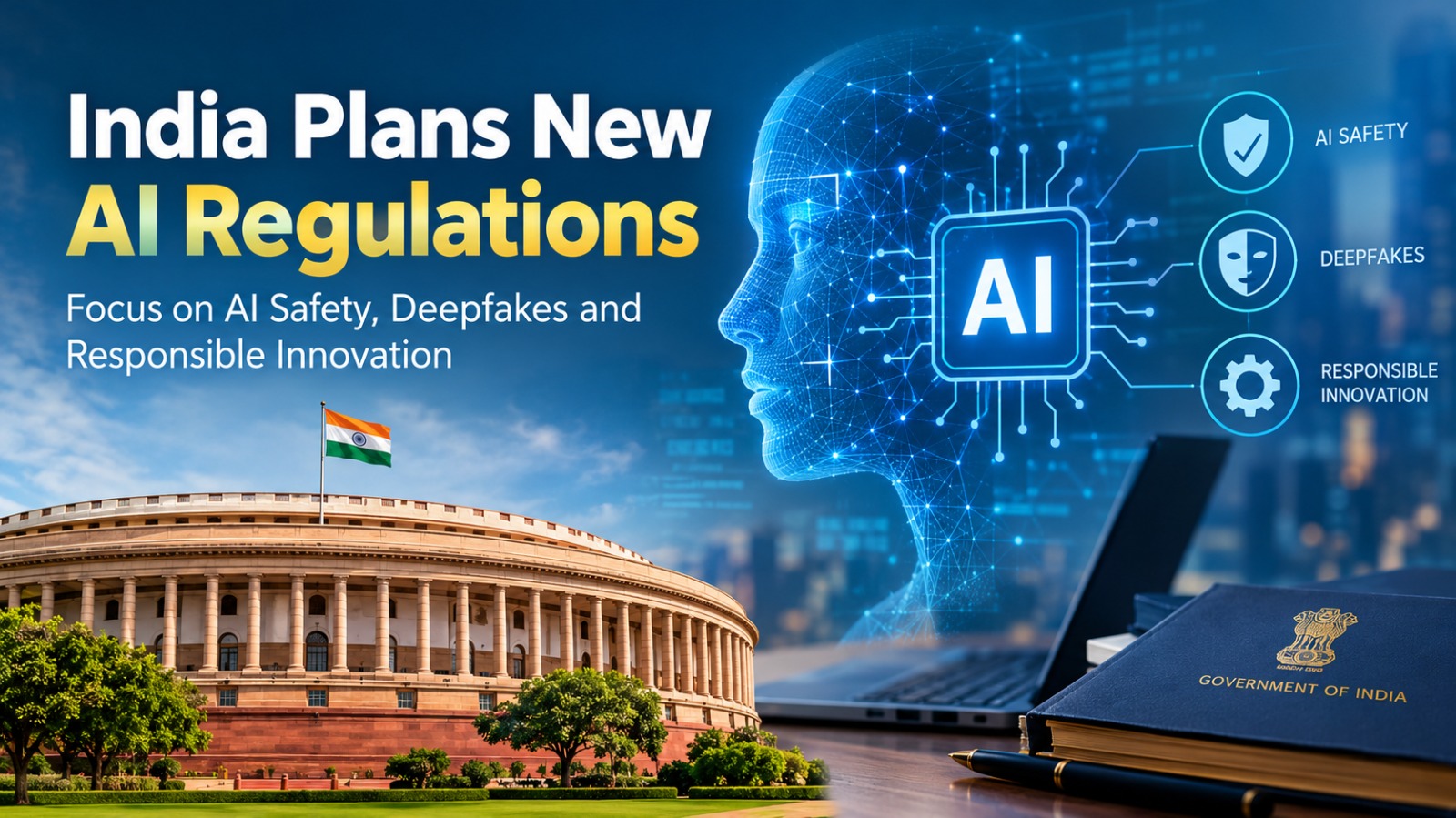
The next chapter of India's digital economy will be driven by artificial intelligence. Recent studies suggest that wider adoption of AI could unlock hundreds of billions of dollars in economic value for Indian MSMEs by improving productivity, profitability and market access. The convergence of AI with India's digital infrastructure presents an opportunity that few countries can match.
Yet, rapid digital expansion also demands responsible growth. Cybersecurity, data privacy, digital literacy and consumer trust must remain central to policymaking. As more financial and commercial activities move online, protecting digital assets and ensuring inclusive access will be just as important as technological innovation. Sustainable growth will depend on striking the right balance between innovation and regulation.
India's digital economy is no longer merely supporting economic growth—it is defining it. The country has built a digital foundation that many nations now seek to emulate, and its startups are uniquely positioned to convert this infrastructure into globally competitive businesses. If India continues investing in innovation, digital public infrastructure and entrepreneurial talent, the digital economy will not only create millions of jobs and new enterprises but also establish the nation as a global leader in the technology-driven economy of the future.
To read founders story visit Startup Time.

Leave a comment
Your email address will not be published. Required fields are marked *
Add a newsletter to your widget area.
Top Stories