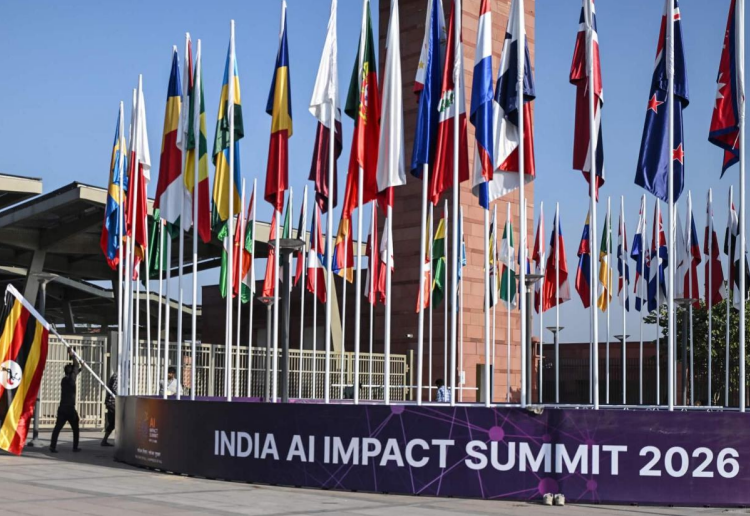
India formally inaugurated the AI Impact Summit 2026 in New Delhi yesterday, convening world leaders, senior government officials, technology executives and policy experts to deliberate on the future of artificial intelligence. The multi-day summit, hosted in the national capital, represents one of the most significant global platforms dedicated to responsible AI development, inclusive innovation and international governance frameworks.
The event brings together representatives from more than 50 countries, including policymakers from the United States, Brazil, the United Kingdom, Japan, the European Union and several African and Southeast Asian nations. Over 2,000 delegates, including researchers, CEOs, startup founders and regulatory authorities, are participating in plenary sessions, policy roundtables and technology showcases. Organisers described the summit as the first AI governance platform of this scale hosted in the Global South.
Prime Minister Narendra Modi, addressing the inaugural session, stated that artificial intelligence must serve “humanity’s collective progress” and emphasised that innovation must be accompanied by accountability and ethical safeguards. “India’s digital public infrastructure demonstrates that technology can be inclusive, affordable and scalable,” he said, highlighting the role of platforms such as Aadhaar, UPI and digital identity frameworks in enabling broad-based digital adoption.
Global Leadership Participation and Policy Commitments
The summit’s opening ceremony featured keynote addresses from senior officials representing major economies. Leaders underscored the need for cross-border coordination on AI regulation, data governance and algorithmic transparency.
Delegations from the United States and the European Union emphasised cooperation on establishing interoperable standards for AI safety testing and certification. Officials from Japan and South Korea highlighted collaborative research initiatives in robotics, semiconductor development and AI-enabled manufacturing systems.
Brazil’s President Luiz Inácio Lula da Silva, attending as a special guest, noted the importance of ensuring that emerging technologies do not deepen inequality. “Artificial intelligence must empower developing economies, not widen the digital divide,” he remarked during a plenary discussion on equitable innovation.
Representatives from African Union member states called for expanded access to AI training resources and cloud infrastructure support to foster digital inclusion across emerging markets. The collective emphasis across sessions centered on responsible deployment, inclusive growth and shared governance mechanisms.
Focus on Responsible AI and Governance Frameworks
One of the summit’s core objectives is the advancement of a collaborative global governance framework. Working groups are tasked with drafting principles addressing transparency, accountability, bias mitigation and ethical deployment of AI systems.
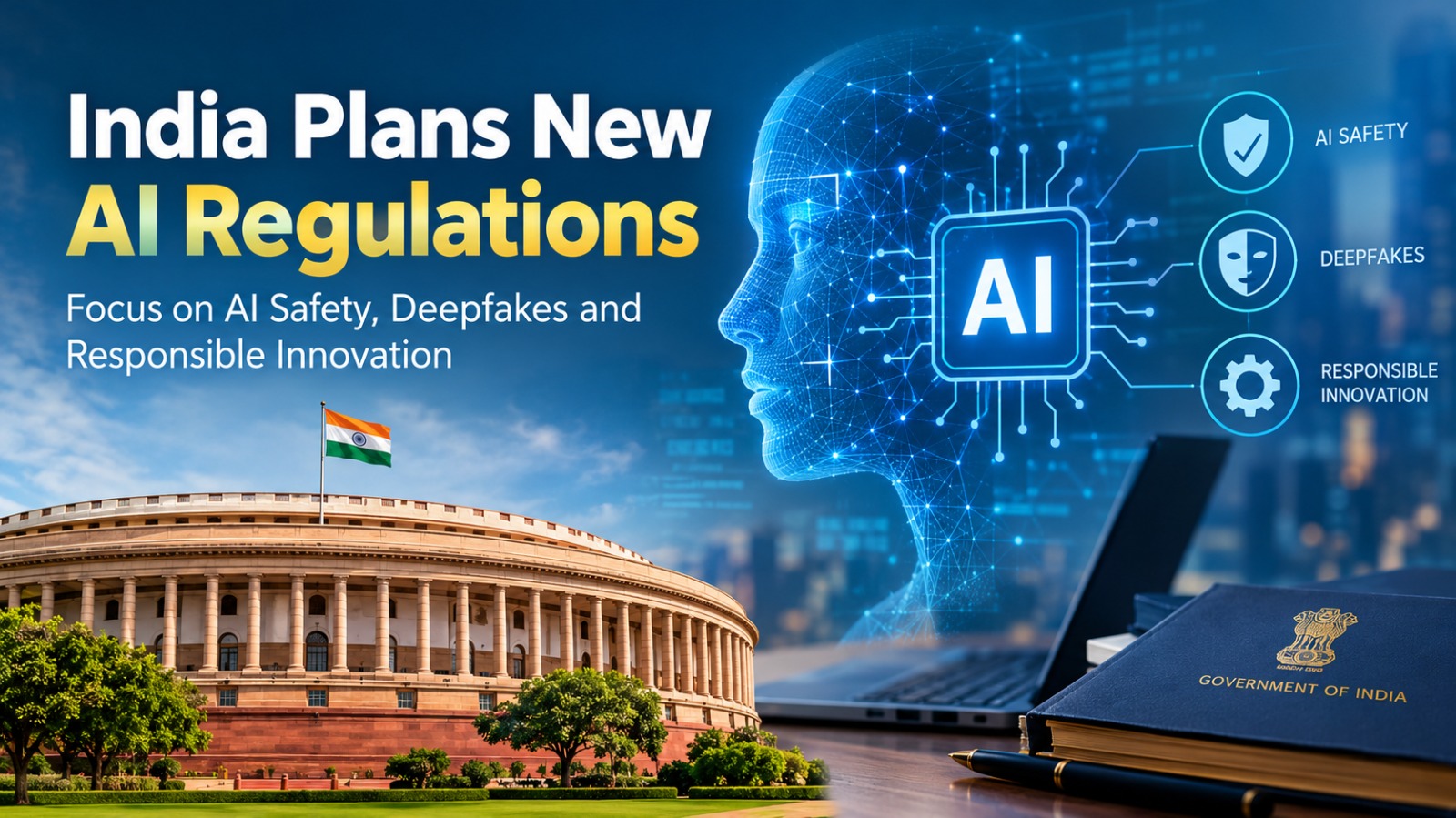
India’s Minister for Electronics and Information Technology outlined the country’s approach to AI governance, referencing India’s Digital Personal Data Protection framework and emerging guidelines for responsible AI experimentation. He reiterated that India seeks to balance innovation incentives with safeguards protecting citizens’ rights.
Several sessions addressed algorithmic bias and the need for representative datasets. Experts noted that inclusive data policies are critical to preventing systemic discrimination in AI systems. Discussions also examined mechanisms for auditing large language models and generative AI tools to ensure accuracy and prevent misuse.
Industry leaders stressed the importance of public-private collaboration. Executives from major global technology firms emphasised investment in AI research centres, workforce upskilling programmes and cross-border research exchanges.
Economic Impact and Innovation Ecosystem
The summit also serves as a showcase for India’s rapidly expanding AI ecosystem. According to official data presented at the event, India hosts over 3,000 AI startups and has attracted billions of dollars in technology investment over the past five years.
India’s digital economy currently contributes approximately 10 percent to national GDP, with projections indicating continued expansion driven by fintech, healthtech, agritech and edtech innovations powered by artificial intelligence. Policymakers highlighted that AI integration across public services has improved efficiency in welfare distribution, healthcare diagnostics and agricultural advisory systems.
Several memoranda of understanding were signed between Indian research institutions and international universities to promote collaborative AI research. Startups participating in the innovation pavilion presented applications ranging from precision farming tools to AI-driven healthcare diagnostics tailored to rural populations.
Analysts suggest that hosting the summit strengthens India’s position as a global technology hub while reinforcing its ambition to play a leading role in shaping international digital policy frameworks.
Workforce Development and Digital Inclusion
A major theme throughout the summit has been the impact of AI on employment and workforce dynamics. Panel discussions explored strategies for reskilling workers displaced by automation and preparing students for AI-integrated industries.
India’s Skill Development Ministry outlined plans to expand AI-focused training modules across technical institutes and universities. Officials announced that thousands of students have already enrolled in AI certification programmes aligned with global industry standards.
Delegates emphasised that education reform is central to sustaining technological competitiveness. Several multinational companies pledged support for AI training initiatives in emerging markets, recognising that a skilled workforce is fundamental to innovation-driven growth. Participants agreed that inclusive access to digital tools, broadband infrastructure and cloud computing resources is critical to ensuring that AI benefits reach underserved communities.
Conclusion
The inauguration of the AI Impact Summit 2026 in New Delhi marks a significant milestone in global technology diplomacy. By convening diverse stakeholders from governments, industry and academia, India has positioned itself at the forefront of conversations shaping the ethical and economic trajectory of artificial intelligence.
The summit underscores a shared recognition that AI’s transformative potential must be guided by transparent governance, equitable access and international cooperation. As deliberations continue, the outcomes are expected to influence policy frameworks, research collaboration and innovation strategies worldwide, reinforcing India’s growing influence in the evolving digital order.