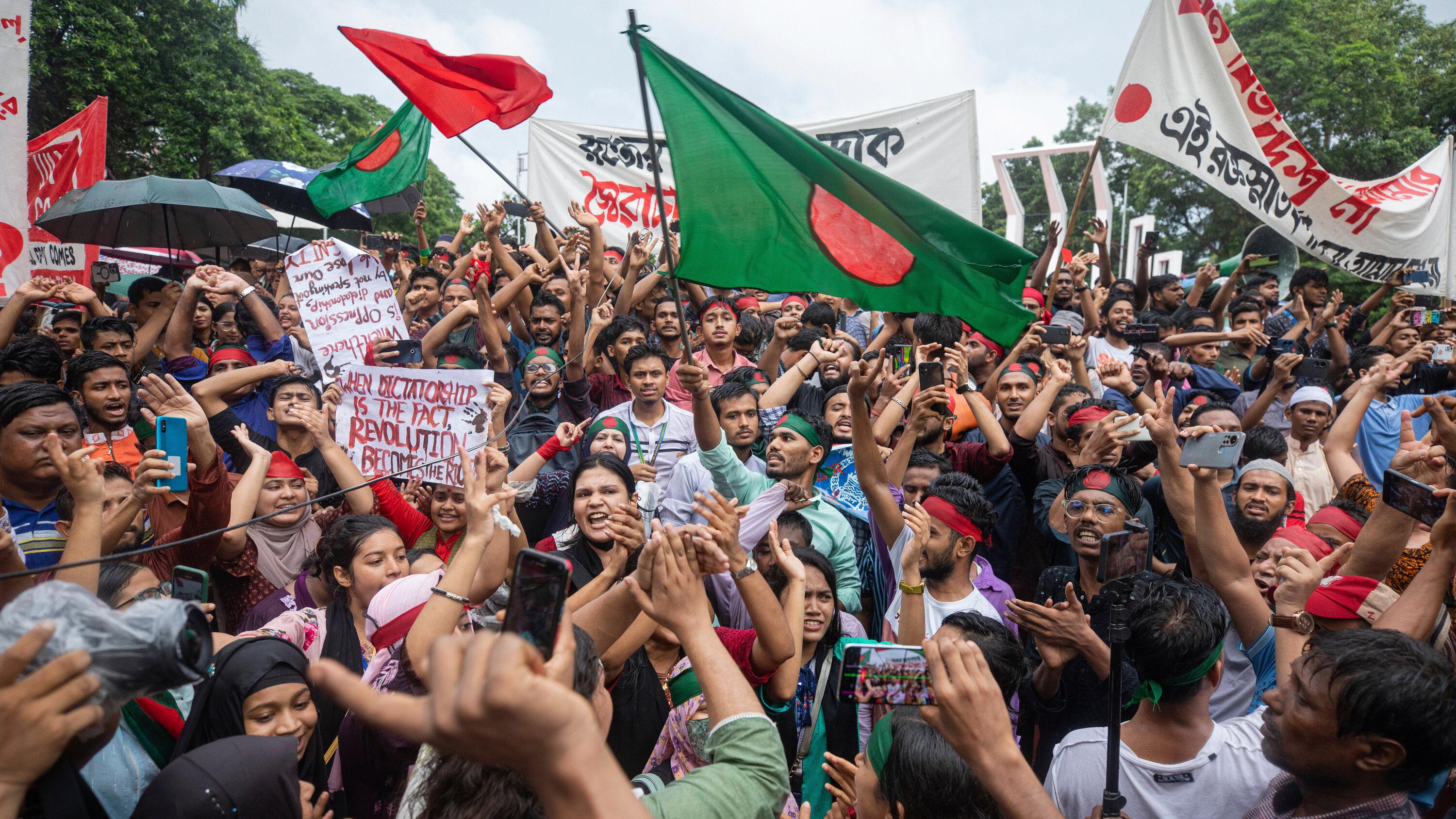
India has formally summoned the Bangladesh High Commissioner in New Delhi amid escalating security concerns linked to recent protests and threats against Indian interests in Dhaka, as political tensions rise ahead of Bangladesh’s 2026 general elections. This diplomatic move underscores the gravity of the situation and signals India’s intent to safeguard its citizens and assets amid a volatile political environment in its eastern neighbour.
Background: Rising Tensions in Bangladesh
Bangladesh is preparing for a crucial general election in 2026, with the ruling Awami League facing mounting opposition from various political groups, including the Bangladesh Nationalist Party (BNP) and several smaller parties. The run-up to the elections has been marked by widespread protests, civil unrest, and allegations of political repression, creating an atmosphere of uncertainty and instability. These developments have not only disrupted domestic affairs but have also spilled over into the diplomatic sphere, particularly affecting India-Bangladesh relations.
The protests have targeted government institutions, political offices, and, in some cases, foreign diplomatic missions, including those of India. In recent weeks, there have been multiple reports of Indian businesses, schools, and diplomatic personnel facing threats and intimidation in Dhaka and other major cities. These incidents have raised alarms in New Delhi, prompting the Indian government to take swift diplomatic action.
India’s Diplomatic Response
In response to the escalating security threats, the Ministry of External Affairs (MEA) summoned the Bangladesh High Commissioner to New Delhi for a formal discussion. During the meeting, Indian officials conveyed their deep concerns over the safety of Indian nationals and the protection of Indian interests in Bangladesh. The MEA emphasized the importance of ensuring the security and well-being of Indian citizens, as well as the need for Bangladesh to take concrete steps to prevent further attacks and threats against Indian entities.
The summons is a strong diplomatic signal, reflecting India’s determination to address the situation through official channels. It also serves as a reminder of the close ties between the two countries, which have historically collaborated on issues ranging from trade and security to regional stability. However, the current crisis has tested the resilience of this relationship, particularly as Bangladesh grapples with internal political challenges.
Security Concerns and Impact on Indian Interests
The security concerns in Bangladesh have had a direct impact on Indian interests in the country. Indian businesses, particularly those involved in trade, investment, and infrastructure projects, have reported disruptions due to the protests and threats. In some cases, Indian-owned properties and establishments have been vandalized, and there have been reports of Indian nationals being targeted by local mobs.
The Indian government has also expressed concern over the safety of Indian students and educational institutions in Bangladesh. Several Indian schools and cultural centers have been forced to close temporarily, and there are growing fears about the long-term impact on the Indian diaspora in the country.
In addition to these immediate threats, the situation has broader implications for India-Bangladesh relations. The two countries have a long history of cooperation on issues such as border security, trade, and counter-terrorism. However, the current crisis has the potential to strain these ties, particularly if the security situation in Bangladesh does not improve in the coming months.
Political Context: Bangladesh’s 2026 Elections
The political tensions in Bangladesh are closely linked to the upcoming 2026 general elections, which are expected to be highly contentious. The ruling Awami League, led by Prime Minister Sheikh Hasina, has been in power for over a decade and faces significant opposition from the BNP and other parties. The opposition has accused the government of electoral malpractice, suppression of dissent, and undermining democratic institutions.
The protests and unrest are a manifestation of these broader political grievances. As the election date approaches, the opposition is likely to intensify its campaign, leading to further instability and uncertainty. This volatile political environment has created a challenging backdrop for foreign diplomatic missions, including India’s, which must navigate the complex dynamics of Bangladesh’s domestic politics.
India’s Strategic Interests in Bangladesh
India has significant strategic interests in Bangladesh, ranging from economic and security cooperation to regional stability. The two countries share a long and porous border, making cooperation on issues such as border security, trade, and counter-terrorism essential. India is also a major investor in Bangladesh, with significant investments in sectors such as infrastructure, energy, and telecommunications.
The current crisis has the potential to disrupt these strategic interests, particularly if the security situation in Bangladesh does not improve. Indian businesses and investors may face increased risks, and there could be a negative impact on bilateral trade and investment flows. Additionally, the instability in Bangladesh could have broader implications for regional security, particularly in the context of India’s efforts to promote stability and cooperation in South Asia.
Diplomatic and Security Measures
In response to the security threats, India has taken a series of diplomatic and security measures. The MEA has issued advisories to Indian nationals in Bangladesh, urging them to exercise caution and avoid areas of unrest. The Indian government has also stepped up security arrangements at its diplomatic missions in Bangladesh, including the High Commission in Dhaka and consulates in other cities.
In addition to these measures, India is engaging with Bangladesh through diplomatic channels to address the situation. The MEA has called for Bangladesh to take immediate steps to ensure the safety of Indian nationals and to protect Indian interests in the country. India has also offered its assistance in enhancing security and stability, particularly in the context of the upcoming elections.
Broader Implications for India-Bangladesh Relations
The current crisis has broader implications for India-Bangladesh relations, which have been characterized by close cooperation and strategic partnership in recent years. The two countries have collaborated on a range of issues, including trade, investment, security, and regional stability. However, the current situation has the potential to strain these ties, particularly if the security situation in Bangladesh does not improve.
India’s response to the crisis reflects its commitment to safeguarding its interests and maintaining stability in the region. At the same time, India is seeking to engage with Bangladesh through diplomatic channels to address the situation and prevent further escalation. The outcome of these efforts will have significant implications for the future of India-Bangladesh relations, particularly in the context of the upcoming elections in Bangladesh.
Conclusion
India’s decision to summon the Bangladesh High Commissioner in New Delhi highlights the seriousness of the security concerns in Bangladesh and underscores the importance of safeguarding Indian interests in the region. The current crisis is closely linked to the political tensions ahead of Bangladesh’s 2026 elections, which have created an atmosphere of uncertainty and instability. India’s diplomatic and security measures reflect its commitment to protecting its citizens and assets, as well as its broader strategic interests in Bangladesh. The outcome of these efforts will have significant implications for the future of India-Bangladesh relations and regional stability.