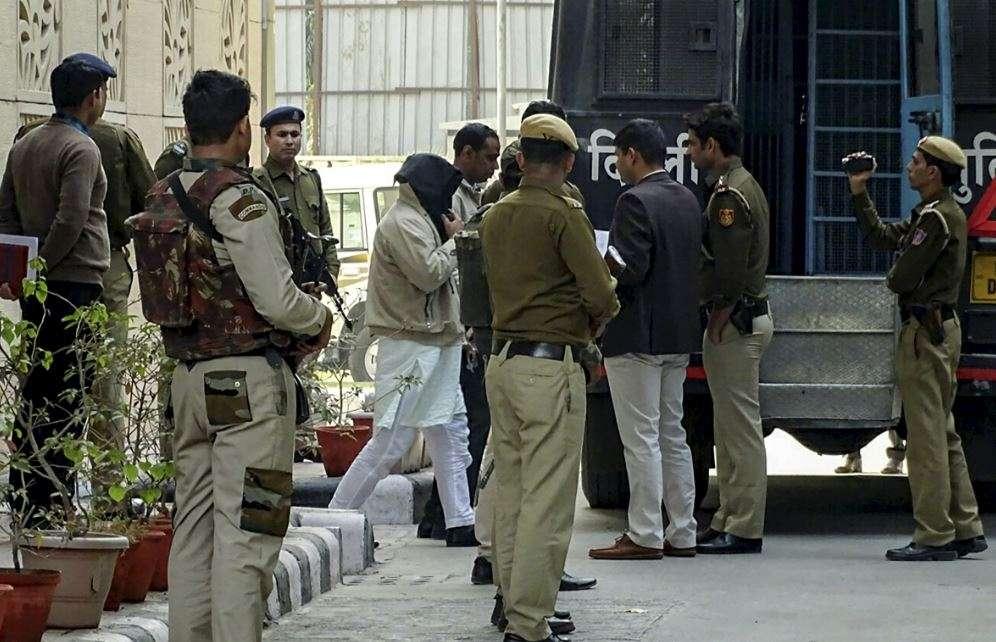
The Red Fort blast case has taken a significant turn with the arrest of the ninth accused, who has now been sent to National Investigation Agency (NIA) custody until December 26, 2025. This development marks a crucial milestone in the ongoing investigation into the explosion that shook one of India's most iconic historical landmarks, raising concerns about national security and the motives behind such an act.
Background of the Red Fort Blast
The Red Fort, located in Delhi, is not only a symbol of India's rich history and cultural heritage but also a site of immense national importance. On the day of the blast, the area was bustling with tourists, security personnel, and locals, making the incident a major cause for alarm. Initial reports indicated that the explosion occurred near the main entrance, causing panic and prompting an immediate response from law enforcement agencies.
Following the blast, the Delhi Police and the NIA launched a joint investigation to identify those responsible and uncover the chain of events leading up to the attack. The explosion caused minor injuries to a few bystanders and significant structural damage to parts of the fort's outer wall, prompting authorities to initiate a thorough forensic examination of the site.
Investigation and Arrests
Over the past several days, investigators have been piecing together evidence from surveillance footage, witness statements, and forensic analysis. The NIA, known for handling high-profile terrorism and security-related cases, has taken the lead in the probe. Their efforts have resulted in the identification and arrest of multiple suspects believed to be linked to the blast.
The ninth accused, whose identity has not been fully disclosed pending further investigation, was apprehended based on new leads that emerged during the probe. According to sources, this individual is suspected of playing a key role in the planning and execution of the attack. The arrest was made possible due to a combination of intelligence inputs and digital forensics, which helped trace the suspect's movements and communications in the days leading up to the incident.
The accused has been remanded to NIA custody until December 26, allowing investigators more time to interrogate him and gather additional evidence. This extension is critical, as it enables the NIA to build a stronger case and potentially uncover any wider network or conspiracy behind the blast.
National Security Concerns
The Red Fort blast has raised serious concerns about national security, particularly in light of the site's symbolic significance. Security agencies have been on high alert, conducting thorough checks at major monuments and public places across the country. The incident has also prompted a review of existing security protocols, with authorities considering the deployment of advanced surveillance and explosive detection technologies at sensitive locations.
The NIA has emphasized the importance of a coordinated response to such threats, working closely with state police forces and intelligence agencies to prevent future attacks. The agency has also called for greater public vigilance, urging citizens to report any suspicious activities or individuals in their vicinity.
Legal Proceedings and Public Reaction
As the investigation progresses, legal proceedings against the accused are expected to follow. The NIA is likely to file charges under relevant sections of the Indian Penal Code (IPC) and the Unlawful Activities (Prevention) Act (UAPA), which provide for stringent penalties for acts of terrorism and conspiracy.
The public reaction to the blast and subsequent arrests has been mixed. While many have expressed relief that the authorities are making progress in the investigation, others have voiced concerns about the broader implications for national security and the safety of historical sites. Social media platforms have seen a surge in discussions about the incident, with users sharing their views on the need for enhanced security measures and the importance of protecting India's cultural heritage.
Impact on Tourism and Heritage
The Red Fort is a major tourist attraction, drawing millions of visitors each year. The blast has had a noticeable impact on tourism, with authorities temporarily restricting access to the site as investigations continue. This has affected local businesses and tour operators, who rely heavily on the influx of tourists to sustain their livelihoods.
Efforts are underway to restore the damaged areas of the fort and ensure that it can be reopened to the public as soon as possible. Heritage conservation experts have been called in to assess the extent of the damage and recommend appropriate restoration measures. The incident has also highlighted the need for greater investment in the preservation and protection of India's historical monuments.
Broader Implications
The Red Fort blast case underscores the ongoing challenges faced by India in maintaining national security and protecting its cultural heritage. It serves as a reminder of the importance of vigilance and preparedness in the face of evolving threats. The arrest of the ninth accused is a significant step forward, but the investigation is far from over. Authorities remain committed to uncovering the full truth behind the attack and ensuring that justice is served.
Conclusion
In conclusion, the Red Fort blast case has captured the attention of the nation, prompting a comprehensive response from law enforcement and security agencies. The arrest of the ninth accused and his remand to NIA custody until December 26 marks a crucial development in the investigation. As the probe continues, the focus remains on ensuring the safety and security of India's historical landmarks and the people who cherish them.