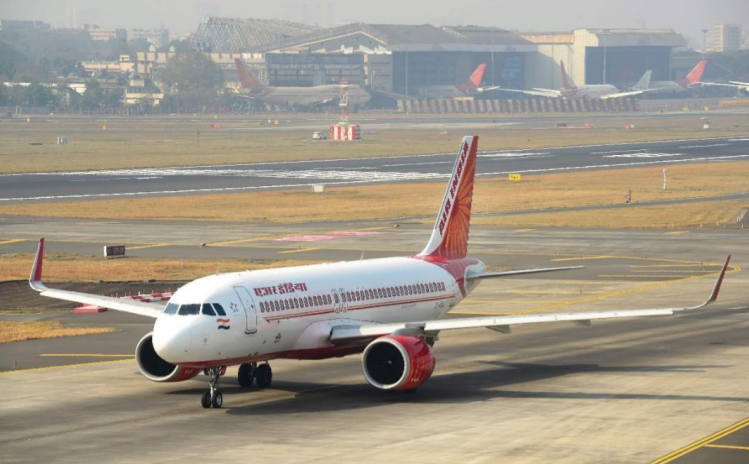
India has taken a decisive step toward transforming its regional aviation landscape with the Union Cabinet approving a revamped Regional Connectivity Scheme (UDAN), backed by a substantial ₹28,840 crore outlay. The scheme, cleared under the leadership of Prime Minister Narendra Modi, is designed to significantly expand air connectivity across underserved and unserved regions over a 10-year period from FY 2026–27 to FY 2035–36. The move reflects a strategic shift toward infrastructure-led development, aimed at integrating remote geographies into the national economic framework.
At its core, the initiative seeks to democratize air travel by making flying accessible to the “common citizen,” in line with the original vision of UDAN (Ude Desh ka Aam Nagrik). By enhancing connectivity in Tier-2 and Tier-3 cities, the government aims to unlock new economic opportunities, stimulate regional industries, and reduce logistical bottlenecks that have historically hindered growth outside major metropolitan areas.
The scale and ambition of the revamped scheme signal a broader policy direction, where aviation is not merely a transport sector but a catalyst for economic transformation. With targeted investments in infrastructure, airline support, and last-mile connectivity, the UDAN expansion is positioned as a cornerstone of India’s long-term growth strategy, aligned with the vision of building a globally competitive and inclusive economy.
Infrastructure Expansion and Airport Development
A central pillar of the revamped UDAN scheme is the aggressive expansion of aviation infrastructure, with plans to develop 100 new airports from existing unserved airstrips. This component alone is backed by an investment of over ₹12,000 crore, underscoring the government’s commitment to strengthening physical connectivity across the country. These airports are expected to significantly enhance accessibility in remote and underserved regions, bringing them onto the national aviation map.
In addition to airports, the scheme includes the development of 200 modern helipads, particularly in hilly, island, and aspirational districts. With an estimated investment of around ₹3,661 crore, this initiative aims to address last-mile connectivity challenges in areas where conventional airport infrastructure may not be feasible. These helipads will also play a crucial role in emergency response, medical evacuation, and disaster management operations.
The infrastructure push is complemented by operational support measures, including funding for the operation and maintenance of approximately 441 aerodromes. This ensures that newly developed facilities remain financially viable and operationally sustainable, particularly in regions with limited passenger traffic. Together, these initiatives represent a comprehensive approach to building a resilient and inclusive aviation ecosystem.
Financial Support and Airline Viability
Recognizing the economic challenges associated with operating regional routes, the government has allocated ₹10,043 crore as Viability Gap Funding (VGF) over the next decade. This financial support is designed to bridge the gap between operational costs and revenue, ensuring that airlines remain incentivized to serve less profitable routes in remote areas.
The VGF mechanism is a critical component of the UDAN framework, as it directly addresses one of the primary barriers to regional connectivity, low passenger volumes and high operational costs. By subsidizing fares and supporting airlines, the scheme ensures that air travel remains affordable for passengers while maintaining financial sustainability for operators.
Additionally, the scheme includes provisions for supporting the acquisition of domestically manufactured aircraft, with a dedicated allocation aimed at strengthening India’s aerospace manufacturing capabilities. This aligns with the broader Atmanirbhar Bharat initiative, promoting self-reliance and reducing dependence on foreign imports in the aviation sector.
Economic Impact and Regional Development
The expanded UDAN scheme is expected to have far-reaching economic implications, particularly for smaller cities and rural regions. By improving connectivity, the initiative will facilitate the movement of goods, services, and people, thereby boosting trade, tourism, and investment. Regions that were previously isolated due to inadequate transport infrastructure are likely to experience accelerated economic growth.
The development of new airports and helipads is also expected to generate significant employment opportunities, both directly and indirectly. Construction activities, airport operations, and ancillary services such as hospitality and logistics will create jobs across multiple sectors, contributing to inclusive economic development.
Furthermore, improved connectivity will enhance access to essential services such as healthcare and education, particularly in remote areas. Faster and more reliable transportation options will enable better delivery of medical supplies, facilitate emergency evacuations, and improve overall quality of life for residents in underserved regions.
Strategic Importance and Policy Alignment
The UDAN expansion is closely aligned with India’s broader infrastructure and economic policies, including the National Civil Aviation Policy and the vision of Viksit Bharat 2047. By integrating regional connectivity into the national development agenda, the government aims to create a more balanced and equitable growth trajectory.
The initiative also reflects a strategic understanding of aviation as a key enabler of economic integration. As global supply chains become increasingly interconnected, efficient transportation networks are essential for maintaining competitiveness. By strengthening its regional aviation infrastructure, India is positioning itself to better integrate into global trade networks.
Moreover, the scheme’s emphasis on affordability and accessibility underscores the government’s commitment to inclusive development. By ensuring that air travel is within reach for a broader segment of the population, the UDAN expansion reinforces the principle of equitable access to economic opportunities.
Outlook
The Cabinet’s approval of the revamped UDAN scheme marks a significant milestone in India’s journey toward building a robust and inclusive transportation network. With a comprehensive framework that combines infrastructure development, financial support, and policy alignment, the initiative is poised to transform the country’s regional aviation landscape.
In the near term, the focus will be on effective implementation, ensuring that projects are completed on schedule and that operational challenges are addressed proactively. The success of the scheme will depend on coordination between central and state governments, as well as active participation from the private sector.
Looking ahead, the UDAN expansion has the potential to redefine connectivity in India, bridging the gap between urban and rural regions and unlocking new avenues for growth. As the country continues to invest in infrastructure and innovation, the scheme stands as a testament to the transformative power of strategic policy interventions in shaping the future of national development.