
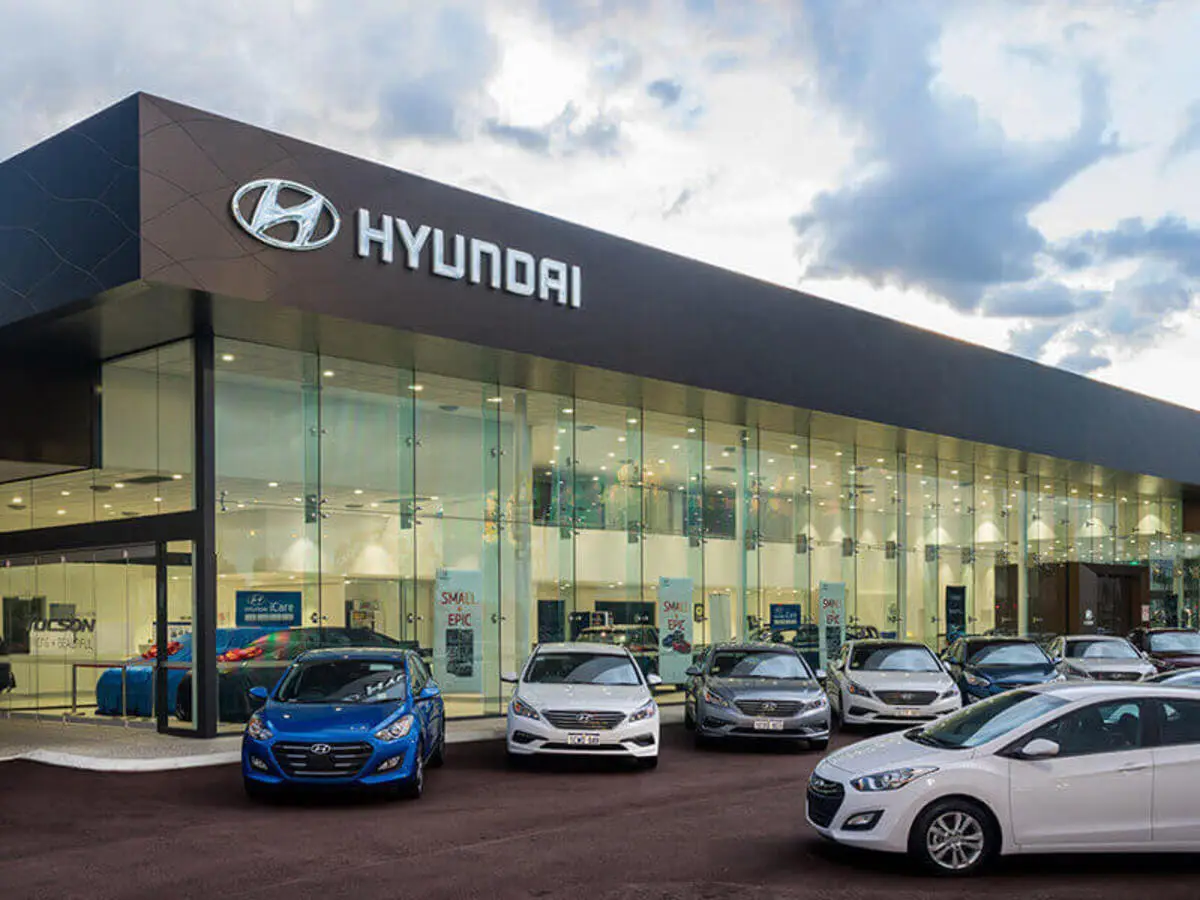
Hyundai Motor to Invest $15.5 Billion in India by 2032
Hyundai Motor Group plans to invest $15.5 billion in India by 2032, expanding manufacturing, R&D, local suppliers and future mobility technologies.
Hyundai Motor Grouphas announced a $15.5 billion investment commitment for India between 2026 and 2032, aiming to expand manufacturing capacity, strengthen research and development, support local suppliers and accelerate next-generation mobility technologies. The announcement marks a significant development for India's automotive industry as global automakers increasingly view the country as a strategic market for long-term growth and a major vehicle production and export hub.
The investment strategy was announced on October 13, 2026, following a meeting between Hyundai Motor Group Executive Chair Euisun Chung and Prime Minister Narendra Modi in New Delhi. The seven-year commitment reflects Hyundai's intention to strengthen its position in the Indian automotive market while supporting the development of a broader automotive ecosystem. According to the company's announcement, the investment will cover manufacturing expansion, research infrastructure, supplier development and emerging mobility businesses.
Hyundai Motor Group's $15.5 Billion Investment Plan for India
Hyundai Motor Group's $15.5 billion investment commitment represents a major long-term push into one of the world's most important automotive markets. The investment, planned from 2026 through 2032, is intended to strengthen the group's manufacturing operations and improve its ability to develop technologies suited to changing consumer demands.
The investment will cover operations across Hyundai Motor India Limited and Kia India, along with other group businesses and automotive ecosystem initiatives. Rather than concentrating exclusively on vehicle production, Hyundai intends to develop a more comprehensive presence that includes engineering, research, local component manufacturing, future mobility services and strategic partnerships with Indian companies.
The announcement comes at a time when India's automobile industry is experiencing significant changes driven by rising demand for passenger vehicles, growing interest in sport utility vehicles, increasing adoption of electric mobility and rapid technological development. By committing substantial capital over seven years, Hyundai aims to strengthen its operational capabilities and prepare for the next phase of competition in the Indian automotive market.
The group also plans to establish a dedicated investment entity in India to coordinate the programme. This entity is expected to manage investment deployment, identify potential local partners and support collaborations with Indian suppliers and businesses. The structure could help Hyundai coordinate its investments across manufacturing, technology development and new mobility opportunities.
Manufacturing Expansion Across Hyundai and Kia India
A central component of Hyundai's investment strategy is the expansion of vehicle manufacturing capacity across its Indian operations. The company intends to increase production capabilities to accommodate anticipated demand and strengthen India's role in its global manufacturing network.
Hyundai Motor Group currently has combined annual vehicle production capacity exceeding 1.4 million units across its Indian manufacturing facilities. These include Hyundai's plants in Chennai and Pune, alongside Kia India's manufacturing facility in Anantapur, Andhra Pradesh. The group has indicated that capacity expansion will support future growth, with the Pune facility expected to scale up in phases.
Expanding production capacity could allow Hyundai and Kia to respond more effectively to shifts in domestic demand while strengthening their ability to manufacture vehicles for international markets. India offers several advantages for automotive manufacturers, including an established supplier base, a large workforce, engineering expertise and access to a substantial domestic consumer market.
Additional manufacturing investment could also support the introduction of new vehicle models, improvements to production technology and more efficient manufacturing processes. However, the company has not yet provided a complete project-by-project breakdown of the $15.5 billion commitment, so the precise timing and scale of individual capacity additions remain subject to further details.
The manufacturing expansion is particularly important as automakers compete to provide vehicles that balance affordability, safety, performance, fuel efficiency and advanced features. Hyundai's ability to expand production while maintaining quality and cost competitiveness will be a key factor in determining the long-term benefits of the investment.
$700 Million Investment in Research and Development
Research and development will form another important part of Hyundai Motor Group's investment strategy in India. The company plans to invest approximately $700 million in its Indian R&D centre, including the development of a vehicle testing track and improvements to its research infrastructure.
The proposed investment is intended to accelerate the development of next-generation automotive technologies and strengthen India's role as an engineering and innovation centre within Hyundai's global operations. It also reflects the growing importance of locally developed solutions in a market with distinct driving conditions, consumer preferences and price expectations.
Automotive research increasingly extends beyond traditional vehicle engineering. Manufacturers are investing in connected-car systems, digital interfaces, advanced driver-assistance technologies, energy efficiency, electrification and software-based vehicle functions. Strengthening local R&D capabilities could help Hyundai develop and test technologies that better address the needs of Indian consumers.
A larger research operation may also create opportunities for Indian engineers, designers, software developers and technical specialists. Collaboration between the company, universities, research institutions and technology firms could contribute to the development of specialised skills and new automotive solutions.
The planned testing infrastructure is expected to support vehicle development and validation. This is especially relevant as manufacturers work to improve vehicle safety, durability and performance under different road and climatic conditions.
Although the investment announcement does not specify every technology or vehicle programme that will benefit, the R&D component signals that Hyundai views India as more than a market for selling vehicles. The country is also expected to play a larger role in developing technologies for future products and supporting the group's wider international operations.
Strengthening India's Automotive Supply Chain
Hyundai's investment strategy also places considerable emphasis on developing local suppliers and increasing the localisation of automotive components. A strong domestic supply chain is essential for manufacturers seeking to control production costs, improve supply reliability and reduce exposure to disruptions in international markets.
Vehicle manufacturing depends on a complex network of suppliers producing components such as electronic systems, metal parts, interior materials, batteries, wiring systems and other essential equipment. Greater collaboration with Indian suppliers could help Hyundai and Kia improve sourcing efficiency while encouraging domestic companies to invest in technology, quality control and manufacturing capabilities.
For Indian component manufacturers, the investment could create opportunities to become part of a larger production network. Businesses that meet the group's quality, cost and technical requirements may benefit from additional contracts, long-term partnerships and access to more sophisticated manufacturing processes.
Supplier development could also support the growth of smaller and medium-sized enterprises that provide specialised automotive components and industrial services. Increased demand for parts may encourage these businesses to expand facilities, train workers and adopt advanced production technologies.
Localisation can offer benefits beyond cost reduction. A geographically stronger supply chain may improve resilience during international logistics disruptions and make it easier for manufacturers to respond to changing production requirements.
However, the benefits will depend on how investment is distributed across suppliers and how effectively domestic businesses can meet the industry's evolving technological standards. The transition towards electric vehicles and software-intensive automobiles will require many component manufacturers to upgrade their capabilities and develop new areas of expertise.
Electric Vehicles and the Future of Mobility in India
The $15.5 billion investment programme also includes opportunities in emerging mobility businesses. Hyundai Motor Group has identified areas such as electric vehicle charging infrastructure, specialised automotive financing, end-of-life vehicle recycling and new mobility services as potential areas of development.
Electric mobility is becoming an increasingly important part of the global automotive industry's long-term strategy. As vehicle manufacturers expand their electric vehicle offerings, the availability of charging facilities, reliable components and supporting services will influence consumer adoption.
Hyundai's interest in charging infrastructure could contribute to the development of services that support electric vehicle owners. Better charging access, alongside improvements in battery technology and vehicle affordability, could help address some of the practical concerns associated with electric mobility.
The group has also indicated an interest in supporting promising startups working in future mobility. Such partnerships could provide opportunities for Indian technology companies developing charging solutions, vehicle software, mobility platforms and other innovations connected to the automotive industry.
End-of-life vehicle recycling is another potential area of development. As the number of vehicles on Indian roads increases, the responsible recovery and reuse of materials could become more important for resource efficiency and environmental management. Recycling systems can help recover valuable materials and reduce waste when supported by suitable infrastructure and regulatory frameworks.
These initiatives remain part of a broader strategic direction rather than a guarantee that every potential business will be launched on a particular timeline. Nevertheless, their inclusion demonstrates that Hyundai is considering opportunities beyond conventional vehicle manufacturing.
Potential Job Creation and Economic Benefits
Hyundai Motor Group currently employs more than 24,000 people in India, and the company expects the new investment programme to create additional employment opportunities across manufacturing, engineering, research and development, and supply chains.
The potential employment impact could extend beyond jobs directly created at Hyundai and Kia facilities. Automotive manufacturing supports a broad network of businesses, including component suppliers, logistics providers, equipment manufacturers, maintenance contractors, technology firms and service companies.
An expansion in production could increase demand for technicians, production workers, quality-control specialists, engineers and supply-chain professionals. Investment in R&D could create opportunities for software engineers, product designers, data specialists and automotive testing experts.
Local supplier development may also encourage indirect employment as businesses expand to meet additional demand. Small and medium-sized enterprises involved in manufacturing, transportation and industrial services could benefit if the investment translates into sustained procurement and new contracts.
In addition to employment, the programme could contribute to industrial development through new infrastructure, improved production methods, technology transfer and workforce training. These benefits could strengthen India's automotive manufacturing capabilities over time.
However, the company has not announced a definitive job-creation figure for the entire investment programme. The scale of employment growth will depend on how much capital is deployed, the pace of manufacturing expansion and the technologies adopted at individual facilities.
Why India Is Becoming a Strategic Market for Hyundai
India has become an important destination for global automobile manufacturers because of its large consumer base, established manufacturing capabilities and potential for long-term market expansion. Its combination of domestic demand, engineering talent and industrial infrastructure makes it attractive to companies seeking to strengthen their position in emerging markets.
Hyundai has operated in India for approximately three decades, developing manufacturing, sales, research and supplier networks. Its latest investment commitment builds on this existing presence and signals an intention to continue expanding its operations over the coming years.
The Indian market also offers opportunities for manufacturers to develop vehicles for different price segments and consumer requirements. Buyers increasingly evaluate vehicles based on safety, fuel efficiency, technology, comfort, design and ownership costs. Manufacturers must therefore combine product innovation with competitive pricing and reliable after-sales support.
India's potential as an export base adds another dimension to Hyundai's strategy. Vehicles manufactured in the country can support demand in selected international markets, provided production costs, product specifications and logistics remain competitive. Increased manufacturing capacity and local sourcing could strengthen this role.
For Hyundai, India could also become a more important location for engineering and technology development. Local R&D capabilities may help the company develop solutions for Indian consumers while contributing to products and systems used in other markets.
The new investment programme reflects these overlapping opportunities: a major domestic consumer market, a manufacturing base and a growing technology ecosystem.
Intensifying Competition in India's Automotive Industry
Hyundai's announcement comes as international and domestic manufacturers compete for a larger share of India's passenger vehicle market. Established companies are expanding their product portfolios, investing in new technologies and strengthening their manufacturing operations to respond to evolving customer expectations.
Competition is particularly intense in the SUV segment, while the transition towards electric and connected vehicles is creating new areas of rivalry. Manufacturers must balance investment in future technologies with the need to maintain competitive offerings in conventional petrol, diesel and other vehicle categories where demand continues.
Hyundai and Kia will need to use their combined manufacturing and research capabilities effectively to protect and expand their market positions. Increased capacity alone will not guarantee stronger sales. Product appeal, pricing, distribution, customer service and the speed of introducing relevant new models will remain important factors.
The investment could help the group respond to competition by supporting product development, improving production efficiency and expanding its technological capabilities. Stronger supplier relationships may also improve cost management and the availability of components.
At the same time, the programme illustrates how major automotive investments can benefit the wider industry. Increased demand for components, technical skills and industrial services may create opportunities for businesses beyond the investing company itself.
What the Investment Means for India's Automotive Industry
Hyundai Motor Group's $15.5 billion commitment is significant not only because of its size but also because of its broad scope. The programme combines manufacturing expansion with research, supplier development and investments in emerging mobility businesses.
For India's automotive sector, this approach could encourage further development of domestic production networks and engineering capabilities. It may also reinforce the country's position as a location where global automakers can manufacture vehicles, develop technology and build partnerships for international markets.
The investment could be particularly relevant for the component manufacturing industry, which must adapt to changes in vehicle architecture and the growing importance of electronics, software and electrification. Suppliers that invest in innovation and meet international quality standards may be better positioned to benefit from new opportunities.
For policymakers and industry stakeholders, the announcement also highlights the importance of maintaining an environment that supports long-term industrial investment. Reliable infrastructure, skilled workers, efficient logistics and a competitive business environment can influence how effectively investment commitments translate into operating capacity and employment.
The actual impact will become clearer as Hyundai announces individual projects, allocates funding and begins implementing the programme. Investment commitments should not be confused with money already spent, and the economic benefits will depend on the execution of the plan between 2026 and 2032.
Challenges Hyundai May Face While Expanding in India
Despite the opportunities, Hyundai's expansion will take place in a competitive and rapidly changing environment. Automotive manufacturers face pressure to control costs while investing in research, manufacturing technology, safety systems and lower-emission mobility solutions.
Demand can fluctuate due to interest rates, household purchasing power, fuel prices and changes in consumer confidence. If market growth slows, manufacturers may need to adjust production schedules and investment priorities to avoid excess capacity.
The transition towards electric vehicles also presents challenges. Battery costs, charging availability, consumer preferences and the pace of infrastructure development can influence the commercial success of electric mobility initiatives. Manufacturers must determine how quickly to scale new technologies while continuing to serve customers who rely on conventional vehicles.
Supply-chain resilience is another consideration. Greater localisation may reduce some risks, but developing domestic suppliers with the necessary technology, quality and production capacity takes time and capital.
Hyundai will also need to ensure that new manufacturing and research investments generate measurable operational benefits. Efficient project execution, workforce development and strong partnerships will be essential to translating the investment commitment into long-term competitiveness.
Outlook: Hyundai's Long-Term Commitment to India
Hyundai Motor Group's $15.5 billion investment commitment through 2032 represents a major step in its long-term India strategy. The programme aims to strengthen manufacturing, improve research and development, support domestic suppliers and explore new opportunities across the automotive ecosystem.
The planned $700 million investment in Indian R&D infrastructure is particularly notable because it highlights the growing importance of local engineering and technology development. Combined with manufacturing expansion and supplier partnerships, it could help India play a greater role in Hyundai's global production and innovation network.
The programme could also generate wider economic opportunities through employment, industrial development and collaboration with local businesses. However, its final impact will depend on the pace of implementation, the distribution of capital and the company's ability to respond to market conditions.
As India's automotive industry evolves, investments in manufacturing efficiency, advanced engineering, electric mobility and supply-chain capabilities are likely to influence which companies remain competitive. Hyundai's announcement signals confidence in India's long-term potential and adds to the country's growing importance in the global automotive landscape.
For India's automobile industry, the coming years will be crucial in determining how large investment commitments translate into new production capacity, technological progress and sustainable economic growth. Hyundai's progress between 2026 and 2032 will therefore be an important development to watch.
Conclusion
Hyundai Motor Group's planned $15.5 billion investment in India underscores the country's growing strategic importance to global automobile manufacturers. With a focus on Hyundai and Kia manufacturing operations, R&D infrastructure, local supplier development and future mobility, the investment is designed to strengthen the group's presence while supporting the wider automotive ecosystem.
Although detailed project timelines and a final employment target have not yet been announced, the commitment creates the potential for new industrial opportunities and a stronger role for India in global automotive manufacturing. The extent of these benefits will depend on implementation, market demand and the group's ability to turn its long-term investment strategy into measurable results.
To read more such news kindly visit: StartupTimes

Leave a comment
Your email address will not be published. Required fields are marked *
Add a newsletter to your widget area.
Top Stories