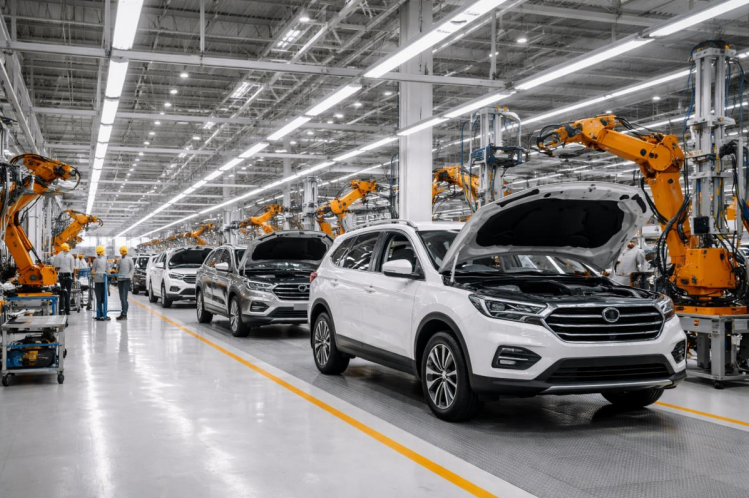
India has taken a proactive policy step by urging its automobile industry to optimise production and conserve fuel, as concerns mount over potential disruptions in oil and gas supplies linked to the ongoing West Asia conflict. A government advisory issued by the Ministry of Heavy Industries has called on automakers and component suppliers to tighten production schedules and reduce dependence on fuel-intensive processes. This marks one of the earliest direct interventions by the Indian government in industrial production planning in response to emerging global energy risks.
The advisory reflects growing concern over India’s heavy reliance on imported energy, particularly from the Gulf region, where geopolitical tensions have disrupted supply chains. As one of the world’s largest importers of oil and gas, India faces heightened exposure to external shocks, making domestic preparedness a critical priority. Officials have emphasized that while there is no immediate shortage, precautionary measures are essential to ensure continuity in industrial output and economic stability.
This development comes at a time when India’s automobile sector is experiencing strong demand and production growth, making any disruption particularly consequential. The government’s move signals a shift toward preventive economic management, where early action is taken to mitigate risks before they escalate into full-scale crises.
Government Advisory and Key Measures
The Ministry of Heavy Industries has issued a detailed advisory to automakers and parts manufacturers, outlining specific steps to reduce fuel consumption and improve operational efficiency. Companies have been asked to optimise production schedules to minimise idle fuel usage and ensure more efficient utilisation of resources. This includes adjusting manufacturing timelines and streamlining processes to reduce unnecessary energy consumption.
In addition to production optimisation, the government has encouraged a transition away from oil-based fuels toward electricity wherever technically feasible. This shift is aimed at reducing dependence on volatile fuel supplies and promoting more stable energy sources within industrial operations. The advisory also recommends increased use of recycled materials, such as aluminium, to mitigate the impact of rising raw material costs and potential shortages.
These measures highlight a broader policy direction focused on resilience and sustainability. By promoting energy efficiency and resource optimisation, the government is not only addressing immediate risks but also laying the groundwork for a more robust industrial ecosystem capable of withstanding future disruptions.
Emerging Supply Chain Pressures
The government’s advisory is rooted in early signs of stress within the supply chain, particularly in the availability of natural gas and fuel for industrial use. Reports indicate that some auto component manufacturers are already experiencing shortages of gas required to power their operations, forcing them to operate below capacity.
This situation is exacerbated by disruptions in oil and gas imports from the Gulf, a region that accounts for a significant share of India’s energy supply. The ongoing conflict has affected shipping routes and production facilities, leading to uncertainty in the availability of key inputs. As a result, industries dependent on continuous energy supply are beginning to feel the strain.
The pressure is not limited to fuel alone. Rising costs of raw materials and logistical challenges are adding to the burden on manufacturers. The combination of these factors creates a complex environment where production planning becomes increasingly difficult, requiring companies to adapt quickly to changing conditions.
Strategic Importance of the Auto Sector
India’s automobile industry is one of the largest in the world, contributing significantly to the country’s GDP, employment, and export earnings. The sector’s importance makes it particularly sensitive to disruptions in supply chains and energy availability. Any slowdown in production can have cascading effects across related industries, including steel, electronics, and logistics.
The current advisory underscores the government’s recognition of the sector’s strategic importance. By intervening early, authorities aim to prevent disruptions that could undermine economic growth and industrial momentum. The move also reflects an understanding that the auto sector operates on tightly integrated supply chains, where even minor disruptions can have far-reaching consequences.
At the same time, the industry’s strong demand outlook adds another layer of complexity. With vehicle sales expected to remain robust, manufacturers have limited flexibility to absorb shocks without impacting output. This makes efficient resource management and strategic planning even more critical in the current environment.
Energy Security and Policy Response
The advisory to the auto sector is part of a broader effort by the Indian government to strengthen energy security amid global uncertainty. Authorities have taken steps to secure crude oil supplies and diversify sourcing to reduce dependence on any single region. India has reportedly secured sufficient oil supplies for the near term, ensuring that immediate domestic demand can be met despite disruptions.
In addition, the government has prioritised the allocation of gas for essential sectors such as households, while industries are receiving reduced supplies. This reflects a policy choice aimed at balancing economic activity with social stability, ensuring that critical needs are met even in times of constraint.
These measures highlight the complexity of managing energy resources in a crisis. Policymakers must navigate competing priorities while maintaining overall economic stability, requiring a combination of short-term interventions and long-term strategic planning.
Outlook
The government’s directive to the auto industry represents a significant moment in India’s response to emerging global energy challenges. By urging companies to optimise production and reduce fuel dependence, authorities are taking proactive steps to safeguard industrial output and economic stability. The move reflects a broader shift toward preventive governance, where risks are addressed before they escalate into crises.
In the short term, the effectiveness of these measures will depend on the ability of companies to adapt their operations and manage resource constraints. While the industry has demonstrated resilience in the past, the current situation presents a unique set of challenges that require coordinated action between government and industry stakeholders.
Looking ahead, the crisis may accelerate structural changes within the sector, including greater emphasis on energy efficiency, diversification of supply chains, and adoption of alternative technologies. As India navigates this period of uncertainty, its ability to adapt and innovate will play a crucial role in shaping the future of its industrial and economic landscape.