Mass protests and mourning gatherings erupted across India following confirmation that Ayatollah Ali Khamenei, Iran’s Supreme Leader, was killed in a joint United States and Israeli airstrike late on February 28, 2026. The news triggered emotional responses from the Shia Muslim community and other groups in several states, leading to demonstrations in cities including Srinagar, Lucknow, New Delhi, Hyderabad, Bhopal, Jammu and regions of western Uttar Pradesh. The protests reflect deep regional and religious sensitivities and have drawn attention to India’s internal social dynamics in response to major international developments.
Across multiple locations, protesters expressed grief, anger and solidarity with the Iranian people, denounced American and Israeli actions, and called for a peaceful resolution to the broader conflict that has ignited violence across the Middle East. Local authorities in some regions deployed police forces to maintain order while also seeking to uphold constitutional rights to peaceful assembly.
Street Demonstrations in Kashmir and Northern India
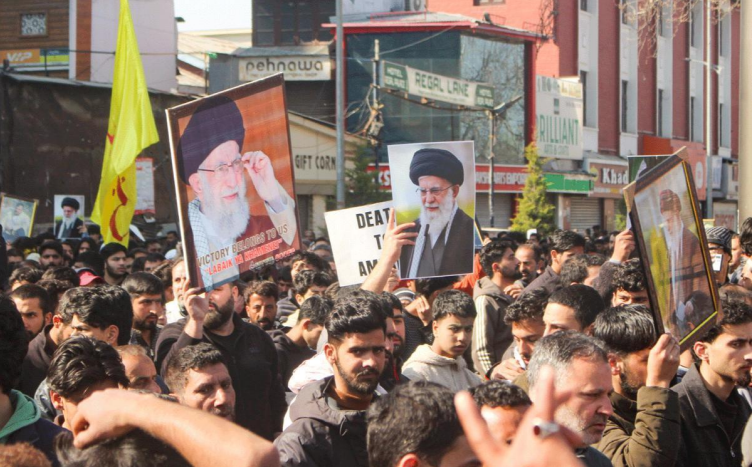
Protests surged in Jammu and Kashmir, particularly in Shia-majority areas like Srinagar, Sonawari and Bandipora, where hundreds gathered on Sunday to voice their condemnation of the strike that killed Khamenei. Demonstrators raised anti-US and anti-Israel slogans, carried portraits of the late Ayatollah and used black flags as symbols of mourning. Many wore black attire and participated in traditional mourning chants, also known as nauha, to express their grief.
In Kashmir’s Lal Chowk and Saida Kadal, residents demonstrated peacefully while police remained present to prevent clashes. Protesters said that Khamenei had been a spiritual figure and source of guidance, prompting them to articulate support for Iran while calling for restraint and peace. Regional leaders appealed for calm, and senior political figures emphasised maintaining public safety amidst heightened emotions.
The larger protests in the Valley came amid appeals from the Jammu and Kashmir Chief Minister Omar Abdullah, who urged community members to avoid violence and respect law and order even as they exercise their right to express grief and dissent.
Mourning, Processions and Condolences in Uttar Pradesh
In Lucknow, thousands from the Shia community participated in mourning processions that stretched through the Old City after news emerged of Khamenei’s death, with participants chanting and carrying large photographs of the late leader. Religious leaders, including figures from the All India Shia Personal Law Board, found themselves at the forefront of these gatherings, emphasising the leader’s symbolic influence across communities beyond his home country.
Western Uttar Pradesh towns such as Sambhal, Aligarh, Jaunpur, Saharanpur and Agra also witnessed spontaneous protests and mourning gatherings. In these places, community members took to the streets to express grief and solidarity, sometimes responding to local spiritual leaders’ calls for peaceful demonstrations that highlight religious sensibilities while forbidding violence.
Shopkeepers in some areas closed their businesses voluntarily, and black flags were flown as a sign of mourning and respect. Clerics involved in the protests reiterated that the actions were meant to honour the deceased leader’s historical significance to Shia communities and to oppose perceived injustices by foreign powers.
Protests and Mourning in Hyderabad and Central India
In Hyderabad, clusters of Shia residents from neighbourhoods such as Purani Haveli, Noor Khan Bazar and Darulshifa organized protests on Sunday, condemning the killing of Khamenei in the U.S.-Israel strike. Participants, including men, women and children, marched through the streets with portraits of Khamenei, expressing their sorrow and denouncing the military action as an assault on religious identity and leadership.
Local Shia leaders addressed the crowds, reaffirming Khamenei’s role as a unifying figure who stood for resistance against oppression. They called for peaceful protests and urged governments and communities to uphold international norms and dignity. The demonstrations in Hyderabad echoed a broader sentiment seen in other Indian cities where Shia populations took to the streets to show solidarity.
In Bhopal, members of the Shia community held a condolence meet and protest march after prayers at the Ale Mohammad Shia Jama Masjid, condemning the killing and emphasising Khamenei’s legacy of resistance against injustices. Clerics at the event recalled the late leader’s contributions and spoke to attendees about unity and faith during turbulent times.
Political Reactions and Opposition Critique
Beyond public street protests, mainstream political figures and leaders from opposition parties weighed in on the killing and the nationwide sentiment. Several opposition leaders described the U.S.-Israel strike as “immoral and unlawful” and criticised the Indian government’s initial silence on the broader geopolitical crisis and its implications for regional stability.
Congress leader Priyanka Gandhi Vadra termed the killing as “despicable” and called for a reevaluation of India’s foreign policy stance in light of longstanding diplomatic ties with Iran. Leaders such as Asaduddin Owaisi from AIMIM and CPI leader D Raja criticised the action and urged the government to articulate a strong diplomatic response that protects India’s strategic interests and global balance.
Some opposition members also underscored concerns over the safety of Indian expatriates in the Middle East, calling for expeditious measures to facilitate their return or protection amid escalating regional tensions.
Broader Community Sentiment and Mourning Practices Nationwide
In addition to protests, community organisations such as the All India Shia Majalis-E-Ulema-Wa-Zakireen led mourning gatherings across India, urging members to observe a three-day period of mourning and wear black attire as an expression of grief. Demonstrations were reported in cities like New Delhi, Bihar, Jharkhand and Telangana, where mourners held posters, participated in prayer vigils and voiced their support for peaceful resistance.
In Punjab’s Ludhiana, where the Muslim population is comparatively small, local protest leaders lit effigies and held marches condemning the killing. Community leaders appealed for unity across religious and regional lines while maintaining peace and extending condolences to those grieving internationally.
Some villages with historical links to Iran witnessed voluntary closures of shops and public events as part of an unofficial shutdown to mark respect and solidarity. Residents emphasised that their actions reflected shared cultural and religious histories that transcend national boundaries.