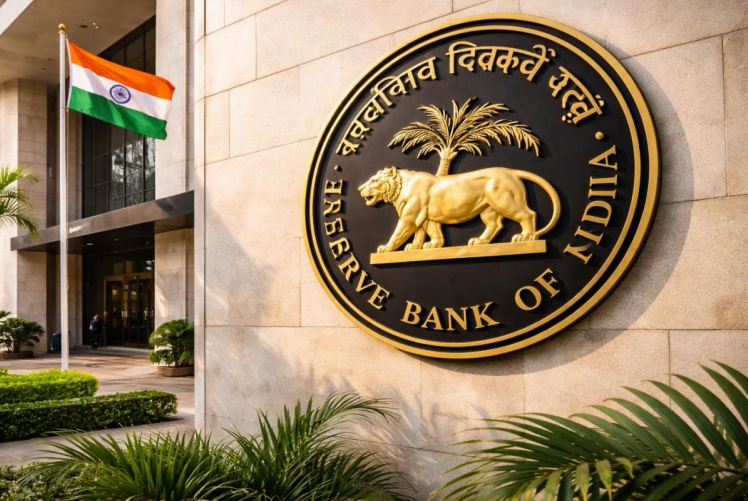
India’s central bank, the Reserve Bank of India (RBI), has moved decisively to support the country’s export sector by extending enhanced export credit relief measures until June 30, 2026, in response to persistent global disruptions. The RBI announced that exporters will continue to benefit from relaxed financing norms, including extended credit periods and greater flexibility in repatriation timelines.
The decision comes amid ongoing geopolitical tensions, particularly in West Asia, which have disrupted supply chains, delayed shipments, and strained trade flows. Exporters across sectors have been grappling with rising logistics costs, delayed payments, and volatile global demand, prompting calls for continued policy support.
By extending these measures, the RBI aims to ensure liquidity stability and prevent financial stress within the export ecosystem. The move reflects a broader strategy to cushion the economy from external shocks while maintaining momentum in India’s trade sector, which remains a key driver of economic growth.
Key Features of the Extended Export Credit Framework
The RBI’s extended framework allows exporters to access pre-shipment and post-shipment credit for up to 450 days, significantly longer than standard financing timelines. This extension provides businesses with additional time to manage working capital and align repayment schedules with delayed trade cycles.
In addition to longer credit tenors, exporters are permitted to realise and repatriate export proceeds within 15 months, compared to the earlier nine-month window. This relaxation acknowledges the realities of delayed payments from international buyers and prolonged shipping timelines caused by global disruptions.
The relief measures apply across a wide range of financial institutions, including commercial banks, cooperative banks, NBFCs, and all-India financial institutions involved in export financing. This broad applicability ensures that exporters of all sizes, from large corporations to MSMEs, can access the benefits of the extended framework.
Drivers Behind the Policy Decision
The extension of export credit relief is closely tied to the evolving global economic environment. Disruptions in West Asia have significantly impacted shipping routes, leading to delays and increased costs for exporters. These challenges have been compounded by volatile commodity prices and fluctuating currency dynamics.
Exporters have also faced difficulties in servicing debt due to delayed receivables and reduced cash flow. The RBI noted that these factors have increased the burden of debt servicing, making it necessary to provide additional financial flexibility.
The policy builds on measures first introduced in November 2025, when exporters sought relief from tariff pressures and global trade disruptions. The continued extension of these measures indicates that the underlying challenges have not fully subsided, necessitating ongoing support.
Impact on Exporters and Trade Ecosystem
The extended credit window is expected to provide immediate relief to exporters by improving liquidity and easing working capital constraints. Businesses will have more time to complete transactions, receive payments, and manage financial obligations without the pressure of tight repayment deadlines.
For sectors heavily dependent on global trade such as textiles, engineering goods, chemicals, and gems and jewellery, the measures offer critical support. These industries have been particularly affected by supply chain disruptions and delayed payments, making the extended credit period highly beneficial.
Moreover, the policy is likely to prevent a rise in non-performing assets within the banking system. By allowing flexible repayment schedules, the RBI aims to ensure that temporary disruptions do not translate into long-term financial stress for both borrowers and lenders.
Broader Economic and Financial Implications
While the measures provide relief to exporters, they also have broader implications for the economy. By supporting the export sector, the RBI is helping to sustain India’s trade balance and foreign exchange earnings, which are crucial for macroeconomic stability.
However, some analysts have noted that extended repatriation timelines could delay the inflow of foreign currency into the domestic market. This could have short-term implications for the rupee, particularly in a period of global financial volatility.
Despite these concerns, the overall impact of the policy is expected to be positive. By stabilizing the export sector, the RBI is reinforcing confidence among businesses and investors, ensuring that India remains resilient in the face of global economic uncertainty.
Conclusion
The RBI’s decision to extend export credit relief until June 2026 underscores the central bank’s proactive approach to managing external economic shocks. By providing continued support to exporters, the policy aims to sustain trade activity and protect one of the key pillars of India’s economy.
In the near term, the focus will be on ensuring effective implementation and monitoring the evolving global situation. The RBI has indicated that it will continue to assess developments and adjust its policy stance as needed.
Looking ahead, the extension highlights the importance of policy flexibility in an increasingly uncertain global environment. As trade dynamics continue to evolve, measures such as these will play a crucial role in maintaining economic stability and supporting long-term growth.