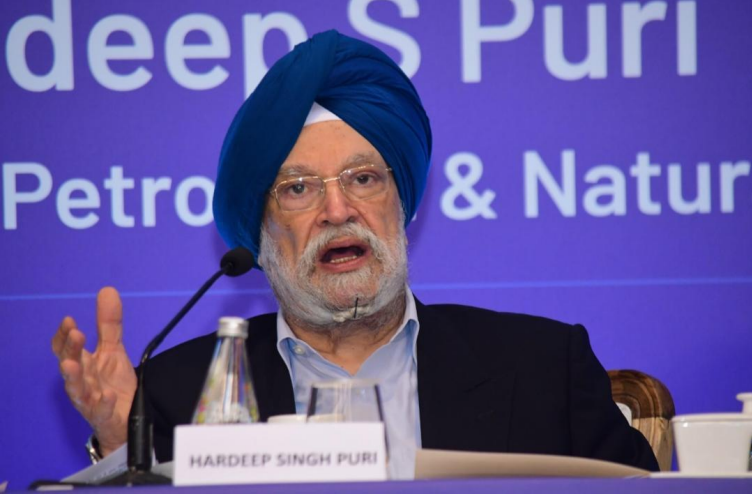
India has initiated urgent high-level energy diplomacy as Petroleum and Natural Gas Minister Hardeep Singh Puri undertakes a two-day official visit to Qatar (April 9–10, 2026) to address emerging supply disruptions in liquefied natural gas (LNG). The visit, confirmed by government sources, comes at a time when India, one of the world’s largest energy importers—is facing growing uncertainty in global fuel supply chains.
The urgency of the visit is closely tied to the ongoing geopolitical tensions in West Asia, which have disrupted critical energy infrastructure and shipping routes. India has already begun experiencing constraints in LPG and LNG supply flows, prompting immediate diplomatic engagement with key suppliers such as Qatar, a cornerstone of India’s energy import network.
This development underscores a broader strategic shift in India’s policy approach, where energy security is increasingly being managed through real-time diplomatic intervention rather than long-term procurement strategies alone. As global volatility continues, India’s ability to secure uninterrupted energy supplies is becoming central to its economic stability and growth trajectory.
Strategic Importance of Qatar in India’s Energy Matrix
Qatar plays a pivotal role in India’s energy architecture, particularly in the supply of liquefied natural gas. The Gulf nation accounts for a significant share of India’s LNG imports—over 40% in recent years, making it one of India’s most critical energy partners.
India’s dependence on LNG has steadily increased as the government pushes to raise the share of natural gas in its energy mix to 15% by 2030, up from current levels. This transition is essential for reducing carbon intensity while maintaining industrial growth, especially in sectors such as fertilizers, power generation, and city gas distribution.
Given this dependence, any disruption in Qatari supply chains has immediate and far-reaching implications for India’s domestic energy balance. The minister’s visit is therefore not merely diplomatic but operational in nature, aimed at ensuring continuity in supply contracts and exploring contingency arrangements.
Supply Disruptions and Geopolitical Triggers
The backdrop to this visit is a complex and rapidly evolving geopolitical environment. The ongoing conflict involving Iran, Israel, and regional actors has led to attacks on energy infrastructure, including LNG facilities in Qatar, impacting nearly 17% of its export capacity.
Additionally, disruptions in the Strait of Hormuz, a key global shipping route for oil and gas, have compounded supply uncertainties. While a temporary ceasefire between the United States and Iran has provided limited relief, continued regional hostilities have prevented a full normalization of energy flows.
These developments have forced countries like India to reassess their vulnerability to external shocks. The current crisis highlights the risks associated with heavy reliance on a geographically concentrated set of suppliers and underscores the need for diversified sourcing strategies.
Key Objectives of the Qatar Visit
During his visit, Minister Puri is expected to engage with senior Qatari officials, including representatives from QatarEnergy, to assess the timeline for restoration of LNG supplies and evaluate potential short-term and long-term solutions.
Key discussion areas are likely to include:
• Stabilization of existing LNG contracts
• Assurance of supply continuity amid disruptions
• Exploration of additional cargo allocations or revised delivery schedules
The visit also serves as an opportunity to strengthen bilateral energy ties and reaffirm India’s position as a reliable long-term partner. In times of crisis, such engagements play a crucial role in maintaining trust and ensuring preferential access to limited resources.
Domestic Impact and Policy Response in India
The supply disruptions have already begun to influence domestic energy policy. Reports indicate that the Indian government has prioritized allocation of available gas to essential sectors, including fertilizers, power, and city gas networks, to minimize economic disruption.
At the same time, Indian energy companies are actively seeking alternative suppliers from regions such as the United States, Australia, and Russia to bridge potential supply gaps. This diversification effort reflects a broader policy shift toward reducing dependence on any single source.
The government is also closely monitoring price trends, as global LNG prices have shown increased volatility. Rising costs could have downstream effects on inflation, industrial output, and household energy expenses, making timely intervention critical.
Conclusion
India’s decision to dispatch its oil minister to Qatar at this critical juncture highlights the growing importance of energy diplomacy in an era of geopolitical uncertainty. The visit represents a proactive attempt to mitigate immediate supply risks while reinforcing long-term strategic partnerships.
In the near term, the success of this engagement will depend on Qatar’s ability to restore production capacity and stabilize export flows. However, the broader lesson for India lies in the need to build a more resilient and diversified energy ecosystem.
Looking ahead, the current crisis is likely to accelerate policy initiatives aimed at enhancing energy security, including investments in strategic reserves, expansion of renewable energy, and deeper engagement with global suppliers. As the global energy landscape continues to evolve, India’s approach will need to balance security, sustainability, and affordability in equal measure.