
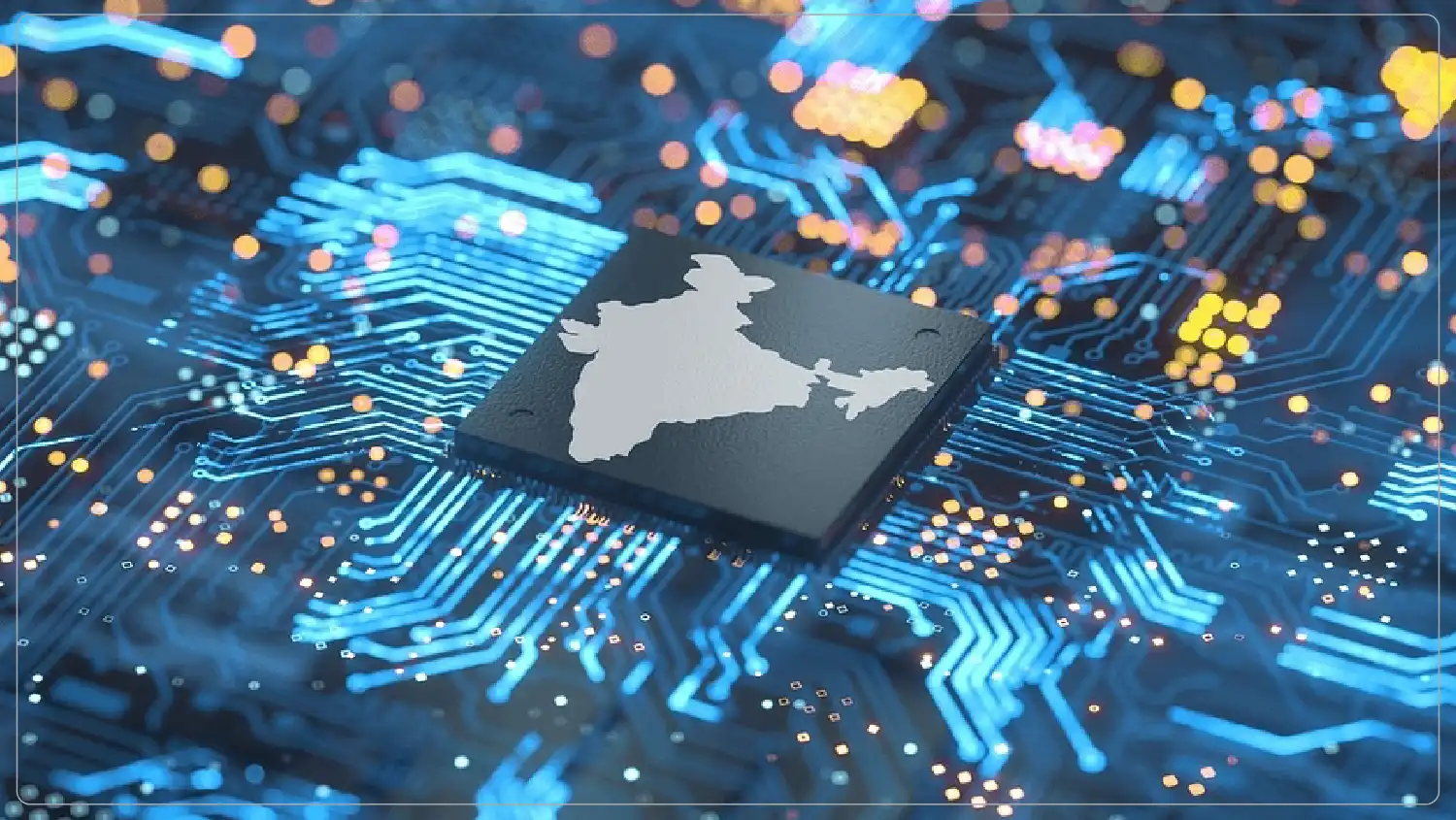
India’s Semiconductor Sector: Building a Global Chip Ecosystem
Explore India’s semiconductor sector, including Tata, Micron, CG Power, Semicon India 2.0, startup opportunities, investments and challenges.
India’s semiconductor sector is entering a new phase. What began largely as a policy ambition is increasingly turning into a manufacturing and technology ecosystem, with semiconductor fabrication, assembly and testing facilities, chip design, equipment, materials, and research receiving greater attention.
The momentum was particularly visible at SEMICON India 2026, held in New Delhi from September 17 to 19. The event brought together more than 600 companies from 52 countries and highlighted India’s growing ambitions across the semiconductor value chain.
With artificial intelligence, electric vehicles, smartphones, data centres, industrial automation and connected devices increasing demand for chips, India is attempting to establish itself as an important part of the global semiconductor supply chain.
India’s Semiconductor Opportunity
Semiconductors are fundamental components of almost every modern electronic product. From smartphones and laptops to automobiles, satellites, medical equipment and AI data centres, chips power a wide range of industries.
India already has significant strengths in semiconductor design and engineering talent. The challenge has been developing large-scale domestic manufacturing and the supporting ecosystem required to produce and package chips.
Recent investments indicate that this gap is beginning to be addressed. According to the Indian government, ten semiconductor projects had been approved under the Semicon India Programme, representing investment commitments of approximately ₹1.6 lakh crore. These projects include fabrication plants as well as assembly, testing and packaging facilities.
The opportunity extends beyond chip fabrication. A successful semiconductor ecosystem also requires specialised equipment, materials, chemicals, substrates, packaging technologies, testing facilities, logistics and highly skilled professionals.
Tata Electronics’ Semiconductor Push
One of the most significant developments in India's semiconductor ambitions is Tata Electronics' planned semiconductor fabrication facility at Dholera in Gujarat.
The project, being developed with Taiwan's Powerchip Semiconductor Manufacturing Corporation (PSMC), represents an investment of approximately ₹91,526 crore and is designed for a capacity of around 50,000 wafer starts per month.
The project is important because a semiconductor fab represents a major step beyond assembly and packaging. It can help India develop greater capabilities in wafer manufacturing and create demand for a wider network of suppliers, equipment providers, engineers and technology companies.
Tata Electronics is also developing a semiconductor assembly and testing facility in Assam. The project has an estimated investment of ₹27,120 crore and is expected to use indigenous semiconductor packaging technologies, with a planned capacity of up to 48 million units per day.
Together, these projects illustrate how India's semiconductor strategy is expanding across both front-end manufacturing and back-end packaging.
Micron’s Sanand Facility Marks a Major Milestone
Micron Technology is another major player in India's semiconductor manufacturing story.
The company has established a semiconductor assembly and testing facility in Sanand, Gujarat, with an investment of approximately ₹22,516 crore. The facility will support assembly and testing of DRAM and NAND products for domestic and international markets.
India Semiconductor Mission's project tracker reports that Micron's Sanand facility became operational in February 2026.
The development is significant because semiconductor packaging and testing are essential parts of the chip supply chain. Building domestic capabilities in these areas can help India attract additional companies involved in semiconductor manufacturing and electronics production.
CG Power, Kaynes and Other Players Expand the Ecosystem
India's semiconductor landscape is not being shaped by a single company. Domestic companies are also investing in different segments of the industry.
CG Power and Industrial Solutions is developing a semiconductor facility in Gujarat in partnership with Renesas Electronics and STARS Microelectronics. The project has an estimated investment of ₹7,584 crore and is designed for semiconductor packaging and related manufacturing capabilities.
Kaynes Semicon is also developing semiconductor manufacturing capabilities in Gujarat, while additional projects have been approved in states including Uttar Pradesh and Odisha. Government documents show that India's semiconductor ecosystem is increasingly spread across multiple states rather than being concentrated in one location.
This geographic expansion could create opportunities for regional electronics clusters, suppliers, startups, educational institutions and specialised service providers.
India Semiconductor Mission 2.0
The next stage of India's semiconductor strategy is increasingly focused on building the ecosystem around manufacturing.
The Union Budget 2026-27 announced India Semiconductor Mission 2.0, with a focus on semiconductor equipment and materials, full-stack chip design, Indian intellectual property and stronger supply chains.
This shift is important because semiconductor independence cannot be achieved simply by building fabrication plants. Fabs depend on sophisticated equipment, specialty chemicals, materials, software, engineering expertise and global supply networks.
According to reports from SEMICON India 2026, the government received investment proposals worth approximately $11 billion to $12 billion under the second phase of the semiconductor initiative. These proposals cover areas including equipment, materials, gases, chemicals and substrates.
Global Companies Are Increasing Their India Presence
India's semiconductor opportunity is also attracting international companies.
At SEMICON India 2026, Applied Materials announced plans to invest $5 billion in India over the next decade. The investment is expected to focus on areas including research, supply-chain development and workforce expansion.
Another recent development is the partnership between Tata Electronics and Nexperia covering semiconductor production and packaging in India. The collaboration includes plans involving Tata's Gujarat fabrication facility and its semiconductor packaging facility in Assam.
These developments suggest that India's role in the semiconductor industry is increasingly connected to international technology and manufacturing networks.
Why Semiconductor Startups Matter
Large semiconductor plants attract attention because of their scale, but startups could become equally important to India's long-term ecosystem.
India already has a strong base of engineers and companies working in semiconductor design. The next opportunity is to encourage more startups working on chip design, embedded systems, semiconductor equipment, testing technologies, artificial intelligence hardware, power electronics and specialised applications.
Karnataka, for example, announced several partnerships at SEMICON India 2026 through its Semiconductor Future Accelerator Lab. The initiatives are intended to support semiconductor startups in areas such as research, design enablement, manufacturing, talent development and commercialisation.
For startups, the semiconductor opportunity is therefore not limited to manufacturing chips. Businesses can participate at different points in the value chain.
Employment and Skill Development
The expansion of India's semiconductor industry is also likely to increase demand for specialised talent.
The sector requires semiconductor engineers, chip designers, process engineers, equipment specialists, technicians, researchers, software developers, quality-control professionals and supply-chain experts.
Universities and technical institutions will therefore play an important role in building India's semiconductor workforce. Greater collaboration between companies, research institutions and educational institutions could help students gain practical exposure to semiconductor technologies.
For India's startup ecosystem, this could create a new generation of companies focused on specialised semiconductor applications and supporting technologies.
Challenges India Still Needs to Address
Despite the rapid progress, India's semiconductor ambitions face several challenges.
Semiconductor manufacturing is capital-intensive and technologically complex. Building a competitive ecosystem requires reliable power and water supplies, specialised infrastructure, advanced equipment, skilled workers and dependable supply chains.
India also remains dependent on international suppliers for many critical technologies, materials and equipment. This is why the expansion of India Semiconductor Mission 2.0 toward equipment, materials, design and supply-chain resilience is significant.
Another challenge is execution. Semiconductor projects require long development timelines and consistent investment before they reach large-scale production. India's ability to translate announced investments into operational facilities will be an important factor in determining the sector's long-term growth.
What India’s Semiconductor Future Could Look Like
India's semiconductor strategy is moving beyond the goal of simply establishing a few manufacturing facilities. The broader objective is to develop an ecosystem covering chip design, fabrication, assembly, testing, packaging, equipment, materials, research and talent.
Industry projections also point toward substantial growth in India's semiconductor market. An EY-IESA report cited in September 2026 estimates that India's semiconductor market could increase from approximately $64 billion in 2026 to $200 billion by 2035. This is a projection rather than a guaranteed outcome, but it illustrates the scale of the opportunity being discussed by industry analysts.
If India can combine its existing engineering and design capabilities with competitive manufacturing, strong infrastructure, skilled talent and a broader domestic supplier network, the semiconductor sector could become an important part of the country's technology and manufacturing economy.
Conclusion
India's semiconductor sector is moving from ambition toward execution. Investments from companies such as Tata Electronics, Micron, CG Power and Kaynes, combined with government initiatives under the India Semiconductor Mission, are laying the foundations for a broader chip ecosystem.
The next phase will be about more than building fabs. India will need to strengthen semiconductor design, equipment, materials, packaging, research, intellectual property and workforce capabilities.
For startups, investors and technology professionals, this creates opportunities across multiple layers of the semiconductor value chain. As global companies diversify their supply chains and demand for chips continues to grow, India's semiconductor story is becoming an increasingly important part of its broader technology and startup landscape.
To read more such articles kindly visit : StartupTimes


Leave a comment
Your email address will not be published. Required fields are marked *
Add a newsletter to your widget area.
Top Stories