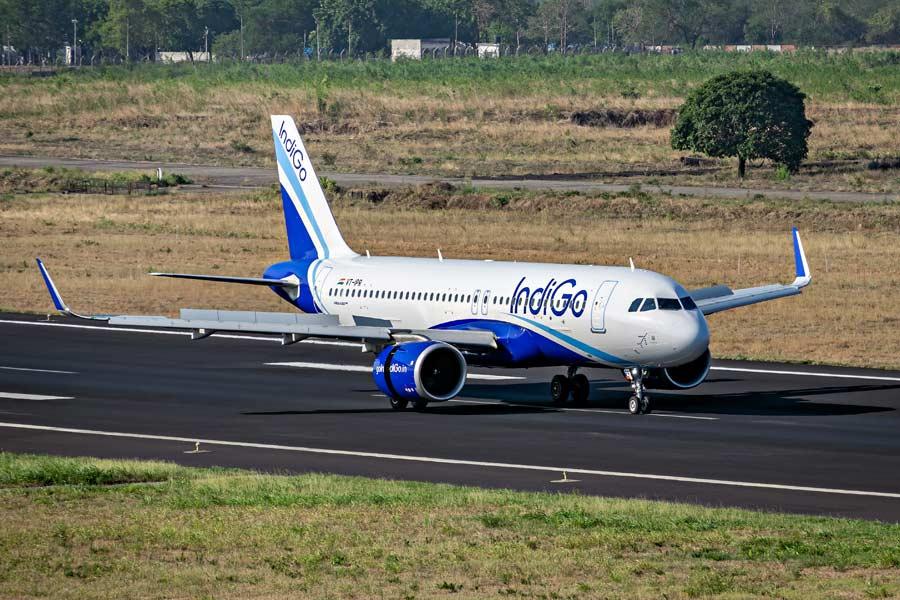
India's largest airline, IndiGo, has faced one of its most severe operational disruptions in recent years, with hundreds of flights canceled and thousands of passengers stranded between December 5 and 15, 2025. In response to the crisis, IndiGo has announced that it will offer full refunds and free rescheduling for all affected flights, acknowledging the significant inconvenience caused to travelers.
Causes of the Disruption
The primary cause of the disruptions is a combination of factors, including a nationwide shortage of pilots and cabin crew, new government regulations on crew duty time, minor technical glitches, winter schedule adjustments, adverse weather, and increased airport congestion. The most significant challenge has been the implementation of revised Flight Duty Time Limitation (FDTL) norms, which mandate longer rest periods for pilots and limit the number of night-time landings. These changes, while aimed at improving safety and crew welfare, have strained IndiGo’s ability to maintain its usual high operational tempo.
According to the Directorate General of Civil Aviation (DGCA), the disruptions were also due to miscalculations and planning deficiencies in IndiGo’s crew scheduling, with the airline admitting that actual crew requirements exceeded their projections. Over 1,200 flights were canceled in just a few days, with major airports like Delhi, Mumbai, Bengaluru, and Hyderabad reporting hundreds of cancellations and delays each day.
Passenger Impact
Passengers have faced severe delays, with some stranded for up to 14 hours at airports, and many unable to get timely information or assistance. Long queues, overcrowded terminals, and non-functioning helplines have added to the frustration. Social media has been flooded with complaints, and the airline’s on-time performance dropped sharply, with some airports reporting on-time rates as low as 19.7% during the peak of the disruptions.
Regulatory Response and Relief Measures
In response to the crisis, the DGCA has launched a probe into the causes of the disruptions and is reviewing IndiGo’s request for temporary relief from certain crew duty time limits. The regulator has granted the airline permission to relax some provisions until February 10, 2025, to help stabilize operations and restore normalcy. IndiGo has stated that it expects to fully resume its operations by this date, but passengers are advised to check their flight status regularly due to ongoing adjustments.
IndiGo’s Response
IndiGo has apologized for the inconvenience and promised to compensate affected passengers with full refunds and free rescheduling options. The airline has also acknowledged that the disruptions were caused by a combination of unforeseen operational challenges, including technology glitches, winter schedule changes, adverse weather, and the implementation of updated crew rostering rules. The company has assured passengers that it is working to resolve the issues and improve its service.
Broader Implications
The IndiGo crisis highlights the challenges faced by airlines in adapting to new regulations and operational constraints, especially in a rapidly growing aviation market like India. It also underscores the importance of robust contingency planning and effective communication with passengers during disruptions. The incident has prompted calls for greater transparency and accountability in the aviation sector, as well as a review of the impact of new regulations on airline operations.
Conclusion
In conclusion, IndiGo’s operational disruptions have caused significant inconvenience to thousands of passengers, but the airline’s offer of full refunds and free rescheduling, along with regulatory relief, aims to mitigate the impact and restore normal operations as quickly as possible.