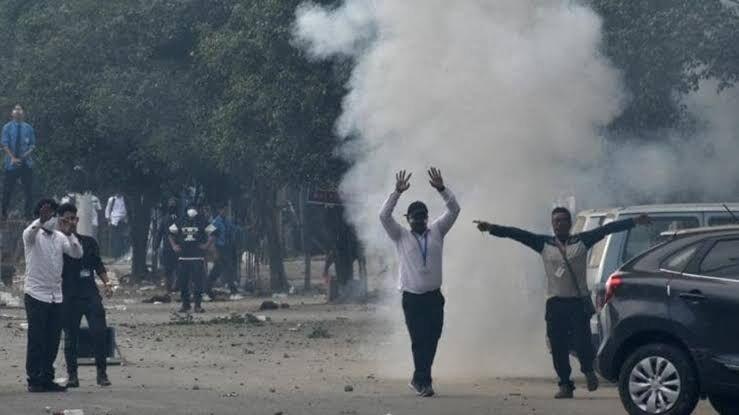
The National Investigation Agency (NIA) has initiated investigations into three high-profile cases related to violence in Manipur, marking a significant step in addressing the ongoing unrest that has plagued the northeastern state for months. This move signals a renewed focus by the central government on tackling the deep-rooted issues of conflict, communal tension, and lawlessness in Manipur, which have led to widespread displacement, loss of life, and destruction of property.
Background of the Manipur Unrest
Manipur has been facing severe unrest since May 2023, following the Supreme Court’s order to grant Scheduled Tribe (ST) status to the Meitei community. This decision sparked violent clashes between the Meitei and Kuki-Zo communities, leading to a breakdown of law and order, mass displacement, and the imposition of curfews and internet shutdowns. The violence has resulted in hundreds of deaths, thousands of displaced families, and extensive damage to infrastructure and homes.
The situation escalated further with allegations of human rights violations, arson, and targeted attacks on both communities. Despite efforts by the state government and security forces, the violence has continued intermittently, with sporadic outbreaks of violence and deepening mistrust between communities.
NIA’s Role and Investigation
The National Investigation Agency (NIA), India’s premier counter-terrorism and internal security agency, has now taken over the investigation of three major cases related to the violence in Manipur. These cases include incidents of arson, murder, and attacks on civilians, which were previously under the purview of local police and other investigative bodies.
The NIA’s involvement is seen as a crucial development, as it brings in specialized expertise, resources, and a more impartial approach to the investigation. The agency is known for its ability to handle complex, sensitive, and high-profile cases, and its intervention is expected to expedite the investigation process and ensure a thorough and transparent probe.
Details of the Three Cases
1. Arson and Destruction of Property
The NIA is investigating incidents of arson that led to the destruction of hundreds of homes, businesses, and places of worship. These acts of violence have been attributed to both Meitei and Kuki-Zo groups, with each side accusing the other of targeting their communities. The investigation will focus on identifying the perpetrators, establishing the sequence of events, and gathering evidence for prosecution.
2. Murder and Targeted Attacks
The NIA is also probing several cases of murder and targeted attacks on civilians. These incidents have included the killing of individuals from both communities, often in broad daylight and sometimes in the presence of security forces. The agency will work to identify the motives behind these attacks, trace the involvement of any organized groups, and ensure that justice is served for the victims and their families.
3. Communal Violence and Human Rights Violations
The third case involves allegations of communal violence and human rights violations, including reports of torture, rape, and other forms of abuse. The NIA will examine these allegations, gather testimonies from victims and witnesses, and work with human rights organizations to ensure that all violations are documented and addressed.
Implications of NIA’s Intervention
Enhanced Investigation Capabilities
The NIA’s specialized expertise and resources will help in conducting a more thorough and impartial investigation, increasing the likelihood of identifying and prosecuting the perpetrators of violence.
Restoring Public Confidence
The involvement of a central agency is likely to restore public confidence in the investigation process, as it is perceived as more impartial and less susceptible to local biases and pressures.
Addressing Root Causes
The NIA’s investigation will also help in identifying the root causes of the violence, including the role of organized groups, external influences, and underlying socio-economic factors. This will provide valuable insights for policymakers and security forces in formulating strategies to prevent future outbreaks of violence.
Ensuring Justice for Victims
The NIA’s intervention is expected to ensure that justice is served for the victims and their families, providing a sense of closure and healing for the affected communities.
Challenges and Concerns
Complexity of the Conflict
The Manipur conflict is deeply rooted in historical, cultural, and socio-economic factors, making it a complex and sensitive issue to address. The NIA will need to navigate these complexities carefully to ensure that its investigation is effective and impartial.
Security and Safety
The ongoing unrest and sporadic violence pose significant security and safety challenges for investigators, witnesses, and victims. The NIA will need to ensure the safety of all involved in the investigation process.
Community Trust
Building trust and cooperation with the affected communities will be crucial for the success of the investigation. The NIA will need to engage with community leaders, civil society organizations, and human rights groups to ensure that the investigation is transparent and inclusive
Conclusion
The National Investigation Agency’s decision to probe three major cases related to violence in Manipur marks a significant step in addressing the ongoing unrest in the state. This move reflects the central government’s commitment to restoring peace, ensuring justice, and addressing the root causes of the conflict. The NIA’s intervention is expected to bring in specialized expertise, enhance public confidence, and provide valuable insights for policymakers and security forces.
However, the complexity of the conflict and the challenges associated with the investigation will require careful navigation and sustained efforts to ensure that justice is served and peace is restored in Manipur.