Parliament’s Legislative Agenda
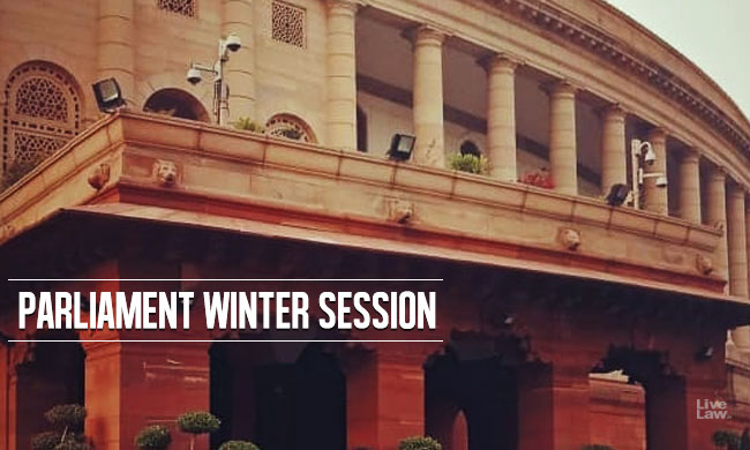
The three-week-long session is expected to see the introduction of several landmark bills. Among the most significant are the Atomic Energy Bill, 2025, which aims to regulate atomic energy use and open the sector to private investment; the Higher Education Commission of India Bill, 2025, intended to establish a central commission for university autonomy and academic oversight; and amendments to the Insolvency and Bankruptcy Code to improve corporate insolvency resolution.
Other notable bills include the Jan Vishwas (Amendment of Provisions) Bill, which seeks to decriminalize minor offenses, and the Manipur Goods and Services Tax (Second Amendment) Bill, replacing an ordinance to stabilize state revenues.
Special Investigation Report (SIR) Controversy
The opposition is expected to strongly oppose the Special Investigation Report (SIR) exercise, which involves a massive revision of voter rolls across nine states and three Union Territories.
The Election Commission of India has initiated this process to ensure electoral integrity, with over 51 crore electors affected and enumeration forms distributed to every eligible voter.
The SIR process requires voters registered after January 2003 to provide proof of identity and parentage, a move that has sparked debate about potential voter exclusion and civil society concerns regarding transparency and inclusivity.
Delhi Car Bomb Blast and National Security
The recent car bomb blast near the Red Fort in Delhi on November 10, 2025, has become a focal point of national security discussions. The explosion, which killed at least 15 people and injured more than 20, has been labeled a terrorist act by the Indian government.
Investigators have traced the car used in the blast to Umar Mohammed, a doctor from Pulwama with alleged links to individuals arrested during earlier police raids in Faridabad.
The National Investigation Agency (NIA) is leading the probe, and the incident has prompted heightened security measures and nationwide anti-terrorism operations.
Opposition’s Role and Key Concerns
The opposition parties are preparing to raise concerns about electoral integrity, national security, and the government’s legislative priorities.
Issues such as the SIR process, air pollution, and the fallout from the Delhi blast are expected to dominate parliamentary debates.
The opposition will likely seek assurances from the government on the transparency of the SIR, the effectiveness of anti-terrorism measures, and the impact of new bills on citizens’ rights and economic stability.
Broader Implications
The winter session is not only about passing legislation but also about reinforcing democratic processes and addressing national crises.
The government’s legislative push aims to modernize key sectors and improve governance, while the opposition’s scrutiny is crucial for maintaining accountability and protecting citizens’ interests.
The session’s outcome will have far-reaching implications for India’s electoral system, national security, and economic policies.
Conclusion
This session is set to be one of the most consequential in recent years, with Parliament serving as the stage for debates that will shape India’s future.