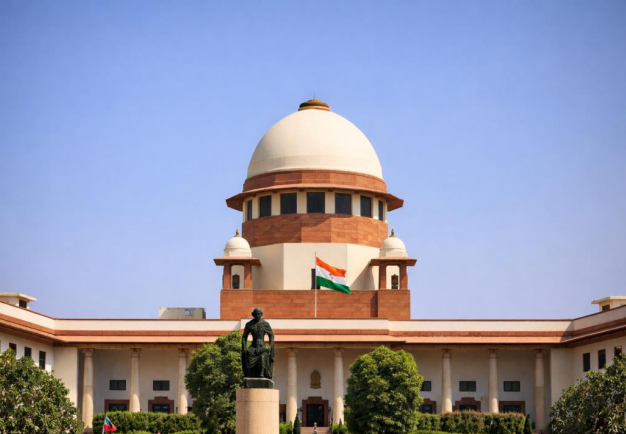
In a significant judicial intervention on January 29, 2026, the Supreme Court of India issued an interim stay on the University Grants Commission (Promotion of Equity in Higher Education Institutions) Regulations, 2026, widely referred to as the UGC equity rules. The apex court held that several provisions of the newly-notified regulations appear ambiguous, potentially prone to misuse, and capable of producing far-reaching social consequences if allowed in their present form. The ruling has reignited a national debate surrounding reservation, anti-discrimination mechanisms and institutional governance in universities.
The order was delivered by a bench comprising Chief Justice of India Surya Kant and Justice Joymalya Bagchi, responding to a series of petitions challenging the constitutional validity of the new framework.
Origins and Objectives of the UGC Equity Regulations 2026
The equity regulations were officially notified on January 13, 2026, replacing the earlier 2012 norms. Designed under the UGC’s mandate to promote equal opportunity and ensure fair treatment in universities and colleges, the rules were aligned with the National Education Policy (NEP) 2020, which emphasises inclusivity and non-discrimination.
The 2026 Regulations introduced multiple new institutional mechanisms:
Mandatory formation of Equal Opportunity Centres (EOCs) and Equity Committees in all higher education institutions
Appointment of designated Equity Officers to oversee compliance
Annual submission of anti-discrimination reports to the UGC
Defined procedures for investigating discrimination complaints and penalising non-compliant institutions
The framework sought to extend protections not only to Scheduled Castes and Scheduled Tribes but also to Other Backward Classes (OBC), women, persons with disabilities, and other historically marginalised groups. This represented a substantial expansion compared to earlier norms that primarily emphasised SC/ST-related redress.
Supreme Court’s Concerns
In its January 29 observations, the Supreme Court expressed serious reservations about definitional clarity within the new rules. The bench noted conflicts between Section 3(c) and Section 3(e), which define caste-based discrimination in differing scopes. The court questioned why a second, broader provision was necessary when a comprehensive clause already existed.
Chief Justice Surya Kant warned that vague language in anti-discrimination statutes could result in over-classification or misuse, potentially fostering division within academic communities rather than social harmony. He cited historical examples of segregated schooling models abroad to caution against policies that could inadvertently create parallel grievance frameworks based strictly on identity categories.
Given these concerns, the court ruled that the 2012 regulations will continue to operate until the matter is resolved. It directed the UGC and the Union government to submit detailed responses. A further hearing is scheduled for March 19, 2026, where constitutional questions—particularly those involving Articles 14 and 15—will be more thoroughly examined.
Public Reaction and Campus-Level Protests
The Supreme Court’s intervention follows weeks of unrest on campuses and in state capitals. Several student organisations and civil associations had launched protests immediately after the UGC announced the new regulations, arguing that the rules either did too little or too much to promote inclusion.
A large segment of general-category students and community groups protested the regulations across multiple states, claiming the rules risk excluding certain groups from grievance committees or over-emphasising identity categories. Demonstrations ranged from black-ribbon marches to filing memoranda demanding rollback of the policy.
In states like Rajasthan, rallies continued even after the Supreme Court imposed its stay. Protest leaders argued that a temporary halt was insufficient and insisted that the rules be withdrawn entirely to prevent long-term institutional disruption.
Conversely, several political and student bodies supported the equity rules. The Samajwadi Party stated that the guidelines were essential for addressing systemic disparities in higher education and must be implemented with proper safeguards. Student wings such as the NSUI launched campaigns arguing that equity committees would bring much-needed transparency to campus life.
Prominent political figures weighed in as well. Mayawati, leader of the Bahujan Samaj Party, criticised anti-equity protests as rooted in exclusionary sentiment and urged dialogue rooted in social justice. Former parliamentary committee chair Digvijaya Singh argued that the UGC should have incorporated earlier legislative recommendations, particularly regarding clearer definitions and broader representation.
Legal and Policy Implications
The Supreme Court’s interim order reflects the delicate balance between ensuring equity and maintaining institutional autonomy. Legal experts note that the regulations intersect with foundational constitutional guarantees, particularly:
The petitions argue that poorly defined clauses could lead to administrative overreach, inconsistent implementation, and parallel grievance systems. Supporters of the regulations assert that formal equity mechanisms are long overdue in India’s higher education system and that the 2026 rules provide a structured means to address discrimination that informal systems often fail to detect.
The court’s decision to seek a comprehensive review by jurists and academic experts suggests a preference for clarity, precision and evidence-backed policy in areas with deep societal impact.
The Road Ahead
The matter is scheduled for detailed examination on March 19, 2026, when the Supreme Court will evaluate constitutional challenges, submissions by the Centre and UGC, and the broader implications of enforcing equity frameworks in universities. The outcome is expected to shape national discourse around reservation, inclusion and campus governance for decades to come.
The upcoming hearing is likely to influence national policy direction far beyond the higher education sector. The case has already triggered wider debate on how India should regulate inclusion frameworks in public institutions, how grievance committees should be structured, and what safeguards are needed to prevent both discrimination and misuse claims. University administrations across the country are watching closely, as the court’s eventual ruling may require changes to campus governance models, recruitment structures, reporting obligations and compliance mechanisms.