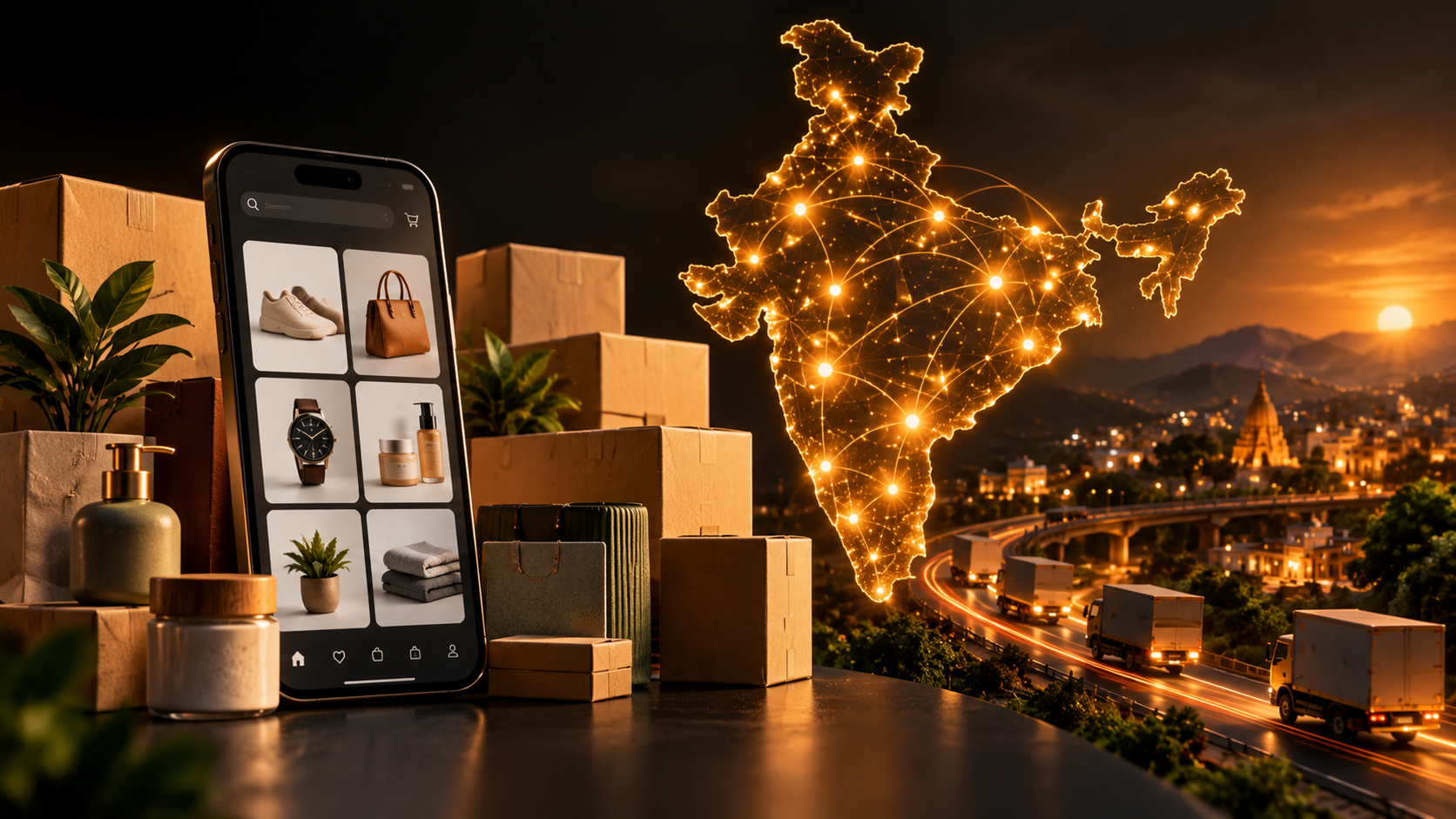
For years, India’s direct-to-consumer story was closely associated with Mumbai, Delhi, Bengaluru and a handful of other large urban markets. That geography is changing. In FY2026, Tier-2 and Tier-3 cities accounted for nearly 66% of new D2C orders, while contributing about 60% of incremental gross merchandise value, according to an analysis by Unicommerce covering more than 400 million order items processed through its platform. The numbers point to a structural change rather than a temporary consumption spike: India’s next generation of digital-first consumer brands may increasingly be built around customers who live outside the country’s traditional startup centres.
The Consumer Has Moved, and the Brand Playbook Must Follow
The fundamental attraction of D2C has always been its ability to remove distance between a brand and its customer. A founder no longer needs a nationwide retail network to test a product. A website, marketplace presence, social media account and logistics partner can create national reach from a relatively small operating base.
That advantage becomes particularly powerful in smaller cities, where physical retail may offer consumers a narrower assortment. A shopper in Indore, Dehradun, Jaipur or Ranchi can discover the same skincare, fashion, nutrition or home-product brand that a customer in Bengaluru sees on Instagram.
Research from IMA Research published in 2026 describes this as a broader shift in which online discovery has become increasingly important and Tier-2 and Tier-3 consumers are helping drive D2C growth. The report also points to quick commerce and marketplaces becoming important digital shelves alongside brand-owned websites.
For founders, the implication is significant. The question is no longer simply whether a product can attract metropolitan consumers. It is whether the brand proposition remains relevant when the customer comes from a different language, income profile, climate, culture or consumption habit.
Regional Demand Is Creating New Product Opportunities
Smaller-city growth is not necessarily about selling metropolitan products to a wider audience. Increasingly, it can work in the opposite direction: local preferences can become the starting point for nationally scalable brands.
Consider categories such as regional foods, ethnic fashion, beauty products, wellness, home décor and traditional personal-care products. A brand can originate around a specific cultural preference and use digital distribution to find customers across India.
This creates an interesting opportunity for entrepreneurs outside the conventional startup hubs. A founder in Jaipur may understand occasion-led fashion differently from a founder in Bengaluru. An entrepreneur in Coimbatore may have deeper access to textile manufacturing networks. A food brand from a smaller Uttar Pradesh city may have an authentic regional proposition that is difficult for a generic national label to reproduce.
The strongest D2C opportunities therefore may not come from copying an established metropolitan category. They can emerge from combining local knowledge with national digital distribution.
Trust, Language and Discovery Matter More Than Reach
Reaching a customer in a smaller city is easier than it was a decade ago. Convincing that customer to purchase, pay in advance and return for a second order is a different challenge.
Trust becomes particularly important when a brand is unfamiliar. Product reviews, creator recommendations, transparent return policies, customer support and social proof can influence conversion as much as advertising. Regional-language content can also make a brand feel more accessible rather than simply more visible.
This is where social commerce and creator-led discovery become strategically important. A regional creator demonstrating how a product works can provide context that a conventional advertisement cannot. For categories such as beauty, fashion, food and lifestyle, the creator may effectively become the local retail salesperson in digital form.
Founders should therefore think beyond translating English advertisements into Hindi or another language. The deeper opportunity is cultural localisation: understanding which problems customers recognise, which benefits they value and how they describe those needs themselves.
Logistics Is Becoming a Competitive Advantage
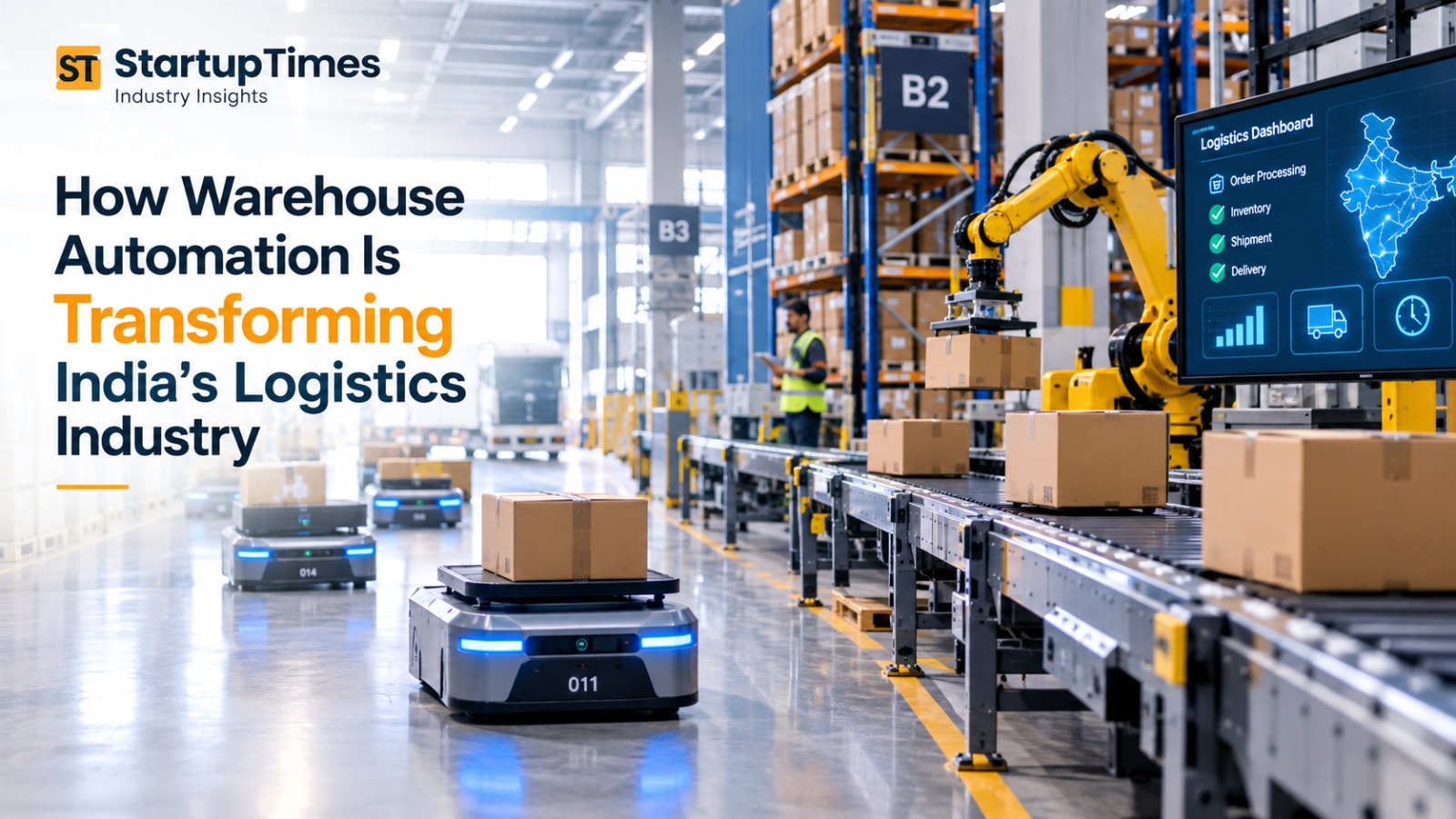
The expansion of D2C into smaller cities would be difficult without improvements in India's logistics infrastructure. Faster parcel networks, better address mapping, digital payments and increasingly distributed fulfilment capacity have reduced some of the historical disadvantages of selling outside major urban centres.
Large logistics networks are also continuing to expand their non-metro footprint. Amazon, for example, added delivery stations across 118 cities in September 2026 and expanded fulfilment infrastructure into cities including Raipur, Ranchi and Varanasi. Such investments matter to D2C companies because delivery reliability directly affects customer trust and repeat purchases.
However, nationwide availability does not automatically mean efficient economics. Shipping costs, cash-on-delivery exposure, returns, reverse logistics and inventory placement can quickly erode margins.
For a growing D2C brand, therefore, logistics should be treated as part of the product experience. The winning model may involve a combination of centralised inventory, regional warehouses, marketplace fulfilment and selective offline distribution rather than a single national formula.
The Next Phase Will Be Omnichannel, Not Online-Only
The early D2C model was built around a simple proposition: bypass traditional retail and sell directly through the internet. As brands mature, that distinction is becoming less useful.
In smaller cities, physical presence can strengthen digital discovery. A customer may discover a product through Instagram, purchase it through a marketplace, try it at a local store and subsequently reorder from the brand's website. Quick-commerce platforms can provide another route for high-frequency categories, while regional distributors can help brands reach customers who are still less comfortable with purely online purchasing.
This means D2C brands increasingly need to think of their own website as one part of a wider distribution system rather than the entire business.
For investors, this also changes how the category should be assessed. Revenue growth alone tells an incomplete story. Repeat purchase rates, contribution margins after logistics, customer acquisition costs by geography, return rates and the efficiency of offline expansion can reveal whether growth is durable.
Key Takeaways
- Tier-2 and Tier-3 cities are becoming central to India’s D2C growth rather than serving merely as secondary markets.
- Local consumer knowledge can become a competitive advantage when combined with national digital distribution.
- Regional-language content, creators and social proof can help brands overcome trust and discovery barriers.
- Logistics, fulfilment and returns are increasingly strategic components of the D2C business model.
- The next stage of D2C expansion is likely to be omnichannel, combining websites, marketplaces, quick commerce and selective offline retail.
From “Bharat Expansion” to Building for Bharat
The most important change in India's D2C market is not simply that brands are reaching smaller cities. It is that smaller-city consumers are increasingly influencing what brands build, how they market and where they invest.
That distinction matters. Treating Tier-2 and Tier-3 India as an expansion territory encourages companies to take a metro-first product and push it outward. Building for these markets requires a different approach: local insight, relevant pricing, culturally intelligent marketing, reliable fulfilment and a product experience designed around real consumer behaviour.
As digital commerce becomes more geographically distributed, some of India's most interesting consumer companies may emerge from places that were previously considered peripheral to the startup ecosystem. The D2C opportunity is therefore expanding in two directions at once: more customers are moving online, and more founders are discovering that they can build national brands without starting in a metro.