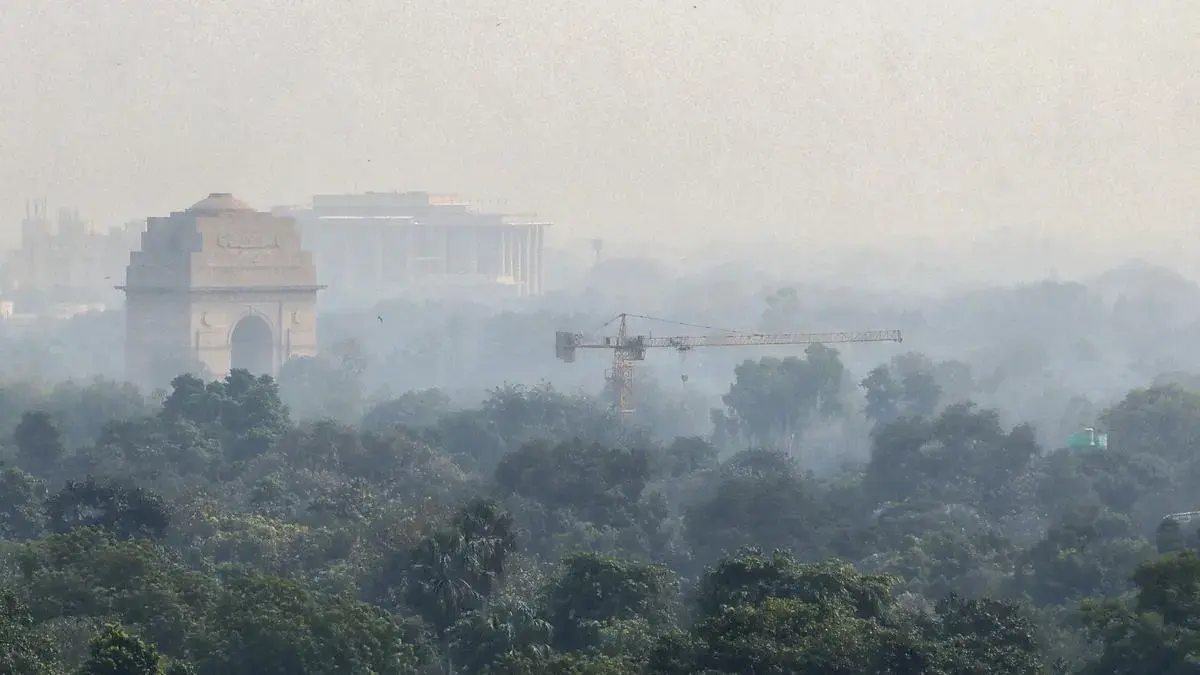
Delhi’s air pollution crisis has deepened in recent weeks, with the city now ranked as the fourth most polluted urban area in India for November 2025. This alarming statistic comes as Ghaziabad, a neighboring city, tops the list of India’s most polluted cities, according to recent air quality monitoring data. The worsening air quality in the national capital region has sparked renewed public concern and prompted urgent calls for stricter environmental measures and policy reforms.
Delhi’s Air Quality: A Growing Emergency
The air quality index (AQI) in Delhi has consistently hovered in the “severe” category, with particulate matter (PM2.5) levels often exceeding 400 micrograms per cubic meter—well above the World Health Organization’s recommended limit of 25 micrograms. The primary sources of pollution include vehicular emissions, industrial activities, construction dust, and the seasonal practice of crop stubble burning in nearby states. Weather patterns, particularly low wind speeds and temperature inversions, further trap pollutants close to the ground, exacerbating the situation.
Residents have reported a significant increase in respiratory ailments, with hospitals witnessing a surge in cases of asthma, bronchitis, and other pollution-related illnesses. Schools and outdoor activities have been intermittently suspended, and the government has advised citizens to limit outdoor exposure and use air purifiers at home. Environmental activists have criticized the slow pace of implementation of long-term solutions, such as stricter emission norms, expansion of public transportation, and incentives for cleaner energy alternatives.
The Human Cost of Pollution
Beyond health, the economic and social costs of Delhi’s pollution are substantial. Productivity losses due to illness, increased healthcare expenditure, and the impact on tourism and business activities have placed additional burdens on families and the economy. The pollution crisis has also highlighted social inequalities, as lower-income communities, often living in poorly ventilated homes and working in outdoor environments, are disproportionately affected.
IVF Treatments and Financial Burden
Parallel to the environmental emergency, a recent study has revealed that in vitro fertilization (IVF) treatments are driving nine out of ten couples into catastrophic debt, prompting widespread calls for government intervention and coverage of treatment costs. The study, conducted by leading fertility experts, analyzed the financial impact of IVF on Indian families and found that the average cost of a single IVF cycle ranges from ₹1.5 lakh to ₹2.5 lakh, with many couples requiring multiple cycles to achieve successful conception.
For most Indian families, these expenses are not covered by insurance or government health schemes, forcing couples to exhaust their savings, take high-interest loans, or even sell assets. The financial strain often leads to emotional distress, marital conflicts, and in some cases, abandonment of treatment altogether. The study’s findings have ignited a debate on the accessibility and affordability of assisted reproductive technologies in India.
The Need for Policy Reform
Advocates for reproductive health have urged the government to include IVF treatments under the ambit of public health insurance schemes, similar to other essential medical procedures. They argue that infertility is a medical condition that should be treated with the same seriousness as other chronic diseases, and that access to affordable treatment is a fundamental right. Some states have already initiated pilot programs to subsidize IVF costs, but nationwide coverage remains limited.
Experts also emphasize the need for stricter regulation of fertility clinics to prevent exploitative pricing and ensure ethical practices. Transparency in treatment costs, standardized protocols, and mandatory counseling for patients are among the recommendations put forth by health professionals.
Public Response and Future Outlook
The dual crises of air pollution and the high cost of IVF treatments have sparked widespread public discourse and activism. Environmental groups are organizing protests and awareness campaigns to pressure policymakers for more decisive action on pollution control. Similarly, patient advocacy organizations are mobilizing support for policy changes to make IVF treatments more accessible and affordable.
The government has acknowledged these challenges and pledged to introduce new measures, including stricter enforcement of environmental regulations and expanded health insurance coverage. However, the effectiveness of these initiatives will depend on sustained political will, adequate funding, and robust implementation.
Conclusion
Delhi’s worsening air pollution and the financial burden of IVF treatments are two pressing issues that reflect broader challenges in India’s healthcare and environmental sectors. Addressing these problems requires a multi-pronged approach, combining regulatory reforms, public awareness, and targeted government intervention. As the country grapples with these complex issues, the well-being of its citizens remains at the forefront of the national agenda.