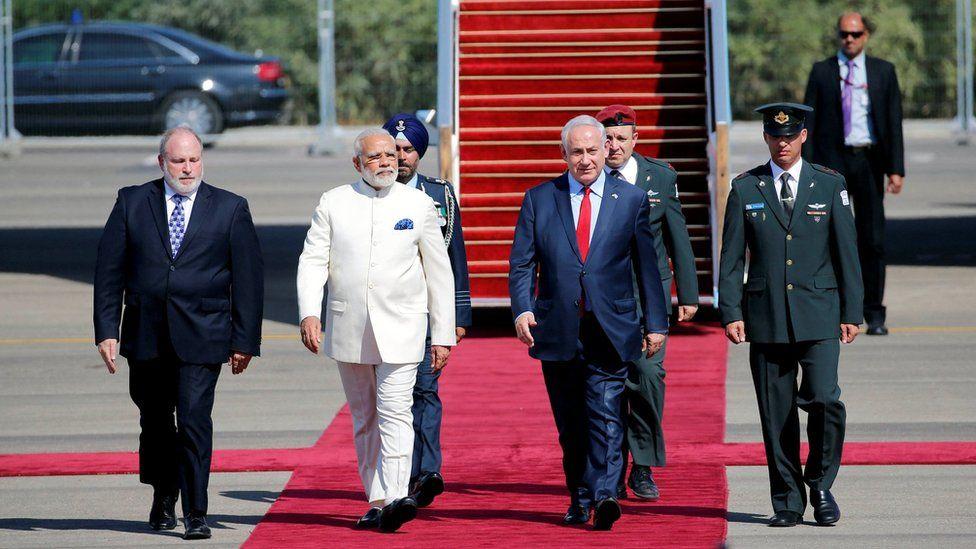
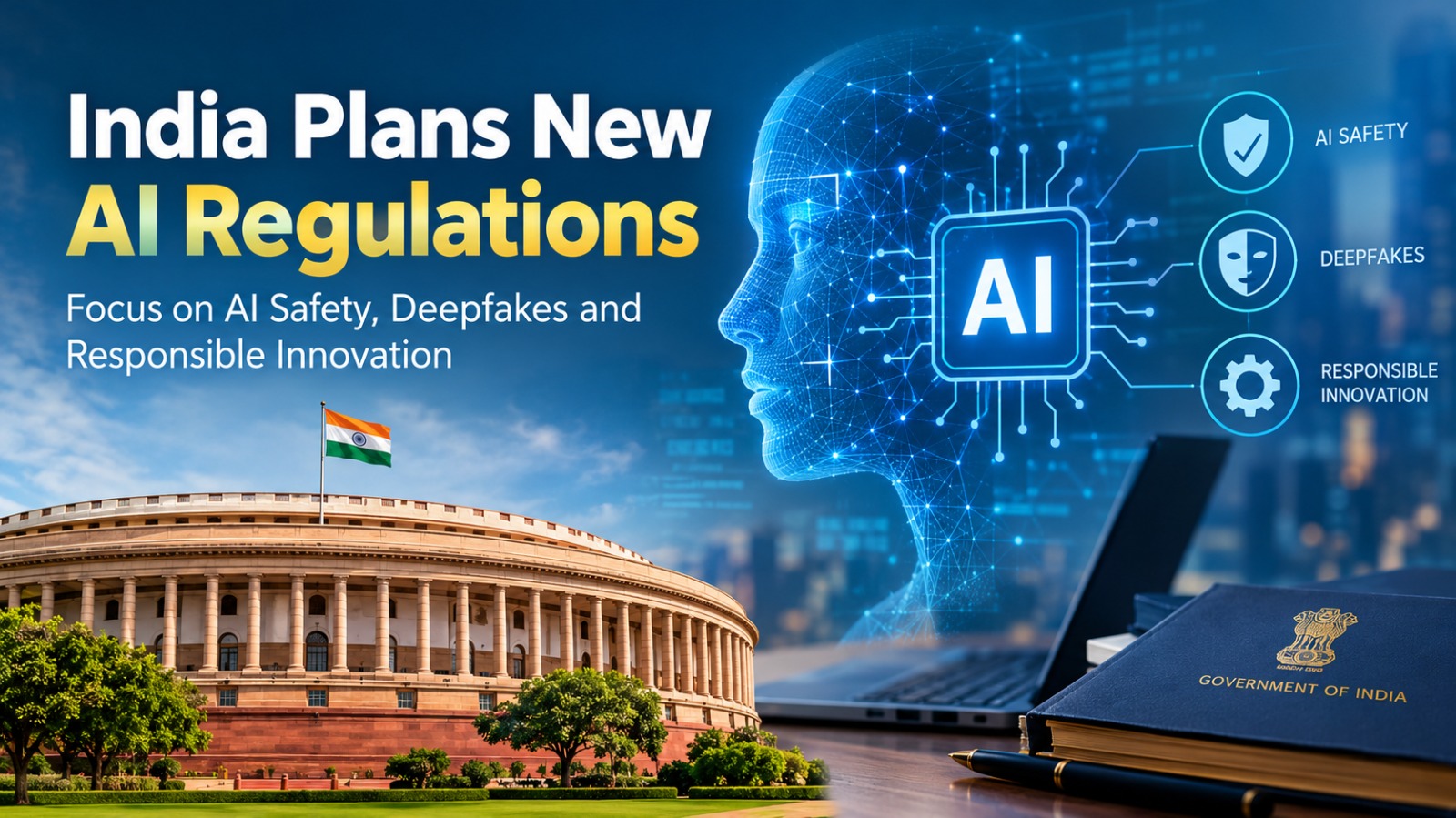
Prime Minister Narendra Modi is set to embark on a significant two-day state visit to Israel on February 25–26, 2026, marking his second official trip to the nation since his landmark 2017 journey.
This development, announced by Israeli Prime Minister Benjamin Netanyahu, underscores the deepening strategic partnership between India and Israel amid evolving global dynamics.
Announcement and Context
Netanyahu revealed the visit during a speech at the Conference of Presidents of Major American Jewish Organisations, highlighting the "tremendous alliance" between the two nations. He noted Modi's impending address to the Israeli Knesset (parliament) and emphasized India's stature as a nation of 1.4 billion people with immense power and popularity.
Modi reciprocated warmly on social media, affirming the bond built on trust, innovation, peace, and progress.
The timing follows recent high-level exchanges, including External Affairs Minister S. Jaishankar's December trip and a November defence-tech agreement for co-development. This visit comes post the Israel-Hamas ceasefire brokered by US President Trump after two years of conflict sparked by the October 7, 2023 attacks.
Itinerary Highlights
Modi arrives in Tel Aviv on February 25 for private talks with Netanyahu, shifting to Jerusalem for key events. Expectations include a Knesset speech, an innovation summit, and a joint visit to Yad Vashem, Israel's Holocaust memorial.
Ambassador J.P. Singh called it "historic," stressing mutual support on terrorism.
While specifics evolve, sources indicate discussions on bilateral issues, regional stability, and the India-Middle East-Europe Economic Corridor (IMEC), where Israel plays a pivotal role.
Defence and Iron Dome Prospects
A potential highlight is advancing Iron Dome technology transfer. India, facing border threats, eyes co-production of this missile defence system, building on prior deals like Barak-8 missiles.
Recent pacts enable tech sharing for joint ventures, aligning with Modi's "Make in India" push. Experts see this bolstering India's multi-layered air defences against drones and rockets.
Broader Strategic Ties
India-Israel relations have flourished under Modi, from defence (over 40% of Israel's arms exports to India) to agriculture, water tech, and cyber security.
Post-2017, trade hit $10 billion+, with startups collaborating in AI and semiconductors.
Both nations share anti-terror stances—India backed Israel post-October 7 while advocating a two-state solution and Gaza aid.
Regional Implications
The visit signals India's balanced Middle East approach: strong Israel ties without alienating Palestine (Modi visited Ramallah in 2018).
It counters China-Pakistan influence, advances IMEC as a China+1 alternative, and aligns with Trump's post-ceasefire peace initiatives, though India skipped his Gaza board.
Domestic Reactions
In India, the trip draws bipartisan support for security gains but criticism from opposition on Palestine.
Congress highlights humanitarian concerns, yet acknowledges strategic needs.
Netanyahu praised Modi personally, calling him a "dear friend," echoing their rapport.
Historical Backdrop
Modi's 2017 visit bypassed Palestine symbolically, focusing on "Hugdiplomacy" and tech.
This return, after eight years, reflects matured ties amid global shifts like US realignments and Iran's unrest—prompting India's advisories for citizens there
Economic Dimensions
Beyond defence, agendas cover trade expansion, UPI-like payments in Israel, and joint ventures in EVs, renewables, and pharma.
Israel's expertise aids India's water-scarce regions; Indian pharma supplies generics there.
Geopolitical Significance
As President Trump influences Middle East peace and President Donald Trump leads the US (reelected 2024), Modi's visit positions India centrally.
It reinforces the "axis of stability" Netanyahu envisions with India, amid Houthi threats to shipping.
This visit promises to elevate India-Israel synergy, fortifying security, innovation, and economic pillars for mutual prosperity.