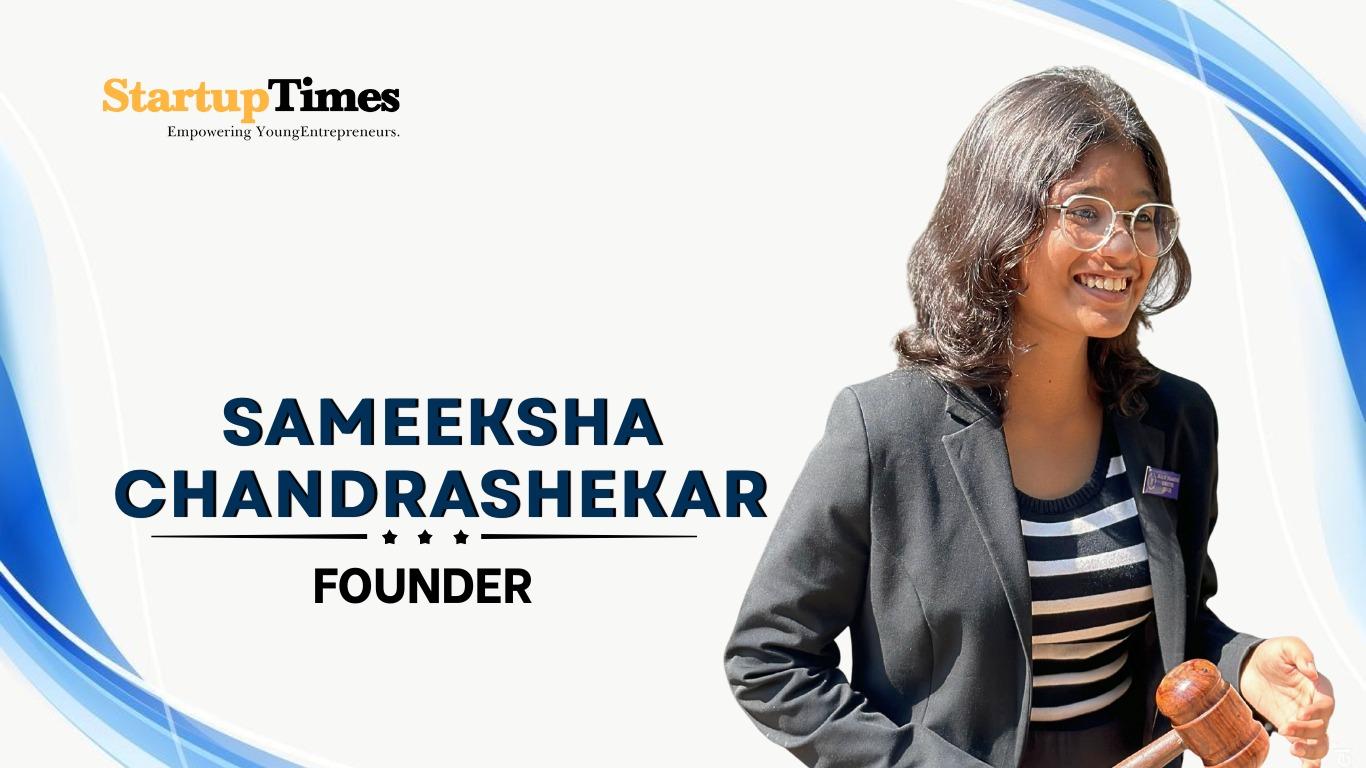
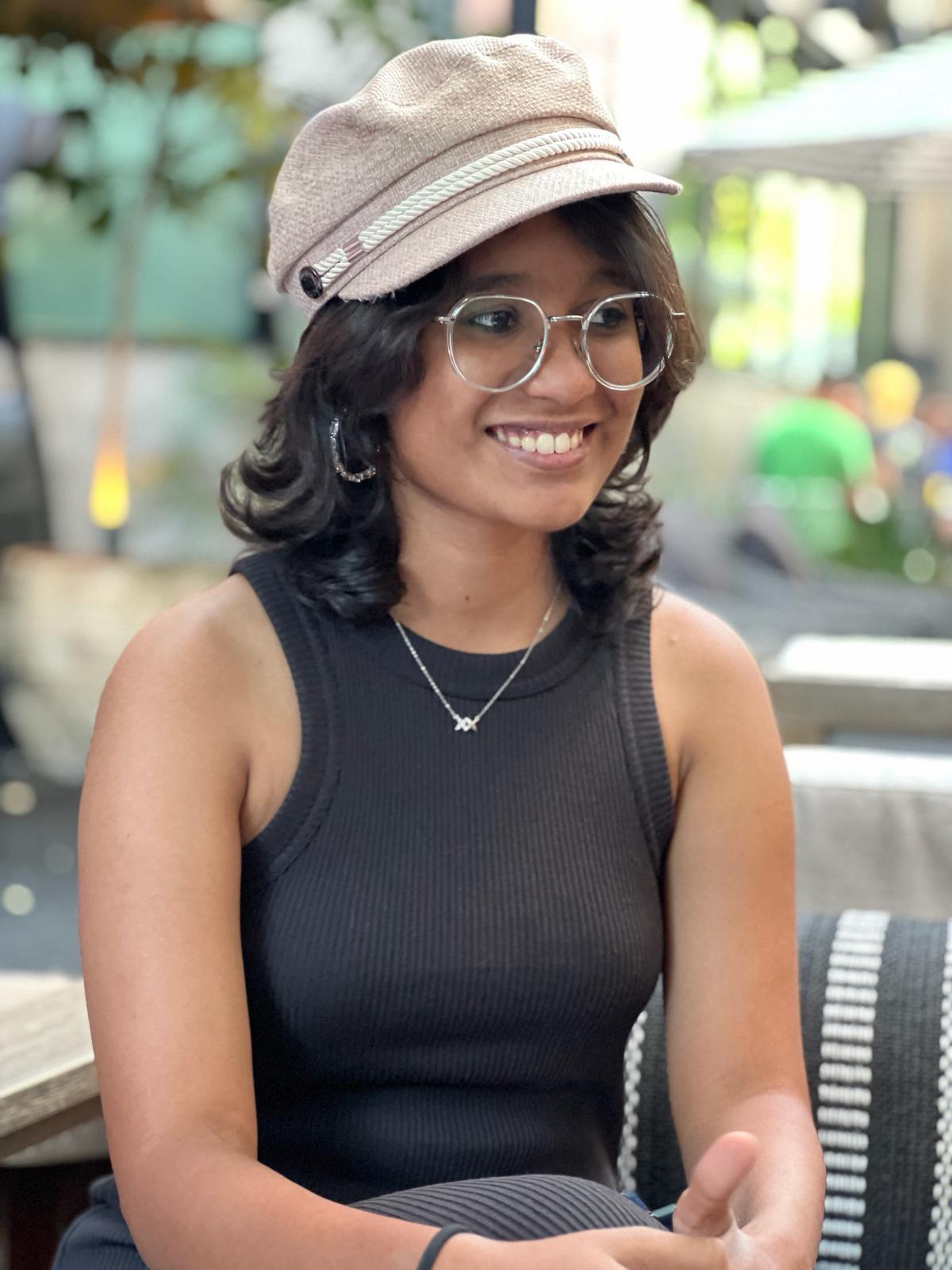
At an age when most high school seniors are worried about assignments, entrance exams, and college applications, Sameeksha Chandrashekar chose a different path. At seventeen, she is the founder of Project Aanchal, a clothing redistribution initiative that has already touched hundreds of lives across tribal communities in Jharkhand and the outskirts of Bangalore. What began as a moment of discomfort and empathy in a remote village has now grown into one of the most inspiring student-led social impact movements in the city.
This is the story of how Project Aanchal began, the challenges it faced, and how a young founder built something powerful with nothing but clarity, courage, and compassion.
A Moment in a Tribal Village That Changed Everything
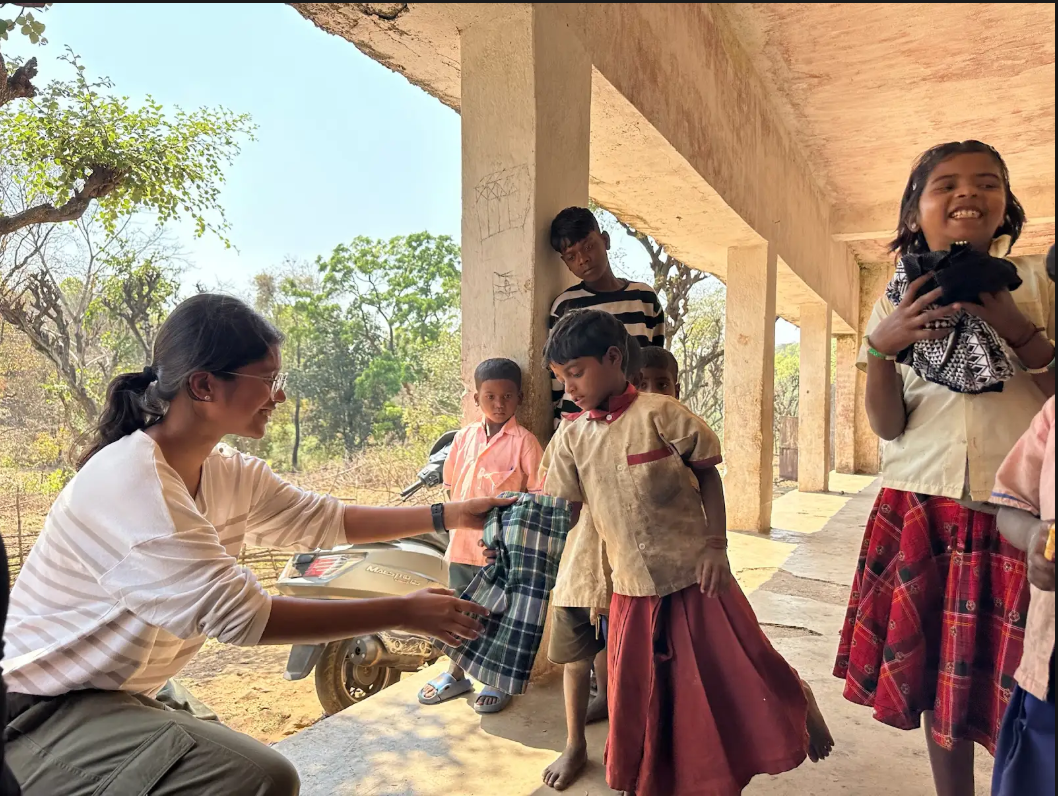
The story of Project Aanchal began in Rasabeda, a tribal village tucked deep inside Jharkhand. Sameeksha was selected for the Young Entrepreneurs Bootcamp at IIM Ranchi. During the program, she visited the village along with other participants. It was winter. She remembered wearing multiple layers of clothing to protect herself from the biting cold. But what caught her attention was the sight of children as young as five or six running around with almost no warm clothes.
The contrast stayed with her. It did not feel unfair in the usual sense. It felt deeper. It felt like a violation of dignity.
To most people, clothing is a basic part of life that they barely think about. For many underprivileged communities, however, good quality clothing is a rare luxury. Sameeksha noticed that the lack of clothing was not just a physical discomfort but a silent blow to confidence and self-worth. Clothing affects how people see themselves and how the world sees them.
That moment in Rasabeda planted a seed in her mind.
When she returned to Bangalore, she began noticing something else. In many affluent neighbourhoods, families throw out perfectly wearable clothes at the end of every year. Items that could easily benefit someone else are often discarded without a second thought.
The contrast was too sharp to ignore.
This is when Project Aanchal was born.
Starting at Seventeen With Only an Idea and a Sense of Urgency
Most people spend months planning startups, projects, and ideas. Sameeksha did not wait. She returned from Jharkhand with momentum, and she wanted to act before the feeling faded.
She built a simple website the very next day. She reached out to communities and volunteers. She contacted students from IIM Ranchi. She gathered her friends and spoke to as many people as she could to spread the word.
She realized that ideas lose impact when they are delayed. Momentum matters, especially in social work.
She began collecting clothing donations almost immediately. Her goal was simple: to take excess from places that had plenty and redirect it to places that had none.
The response was fast and inspiring. Within weeks, clothes started pouring in from different parts of the city—sarees, sweaters, shirts, kurtas, dresses, jackets and children’s wear arrived in huge quantities.
But collecting clothes was only the first step. Sorting and ensuring cultural sensitivity became the real challenge.
A Different Approach to Clothing Donation
Clothing donation is not new in India. But the way it is practiced is often careless. People donate what they want to dispose of, not what the recipient would value.
Project Aanchal decided to change this entirely.
1. Sorting With Sensitivity
People in tribal areas or rural towns may not wear modern western clothing. So the team focused on collecting items that matched their lifestyle and culture: sarees for women, good quality shirts and trousers for men, and warm clothing for children.
2. High Quality Only
Project Aanchal refused to treat donation as dumping. Everything collected was screened. Torn, stained or unusable clothes were removed. Only clean, good condition items were delivered.
3. Fully Student Driven
Instead of partnering with big NGOs, Aanchal chose to work only with student-run groups and small community teams. This created a new generation of young volunteers who understood the value of dignity and service.
4. Hyperlocal to Hyperimpact
The model was simple and effective. Take excess from one neighbourhood and redirect it to another that truly needed it — with no complicated systems or overheads.
5. Zero Waste Circular System
The project ensured that clothing which still had life was put back into use. This reduced waste, encouraged sustainability, and built a culture of conscious giving.
This clarity of purpose made Project Aanchal stand out.
Challenges, Criticism, and the Strength to Keep Going
Any social impact initiative faces doubt, but being seventeen amplified it further. The biggest challenge for Sameeksha was not logistics or management — it was what people said.
Many dismissed her idea.
Each comment felt heavy. But what helped her stay grounded was the truth she had seen: a child receiving a clean, colourful, warm sweater is not a small thing — it is dignity, confidence, and protection.
Another obstacle was shipment cost. Transporting hundreds of kilograms of clothes from Bangalore to Jharkhand was expensive.
For three months, the team organized bake sales, crowdfunding, and reached out to over 100 sponsors. Most rejected the request. A few believed.
They eventually collected ₹30,000–₹40,000 — just enough to ship the clothes.
The Moment Everything Almost Fell Apart
After months of collecting, sorting, raising funds, and shipping clothes, Sameeksha flew to Jharkhand to oversee the distribution.
But the bus scheduled to take volunteers broke down. Many could not join. Only four people remained to execute the distribution.
Dozens of heavy boxes waited. The village was miles uphill through forest paths. There was no option but to carry them manually.
For a moment, the team considered postponing. But they didn’t.
They booked a car. They carried three boxes up the hill — out of nearly twenty.
But even those three boxes changed the village.
Children smiled. Mothers held sarees close. Men expressed gratitude.
Students at IIM Ranchi later distributed the remaining boxes to neighbouring villages.
The mission continued.
Breaking Myths About Clothing Donation
One of the biggest misconceptions is that clothing donation has little impact.
But clothing:
protects against harsh weather,
builds confidence,
affects how people are perceived,
restores dignity.
The goal was never to give away clothes — it was to give with respect.
Milestones That Marked the Journey
In a short time, Project Aanchal achieved remarkable milestones:
Became one of the largest student-run clothing donation initiatives in Bangalore.
Inspired multiple community-led sub units.
Distributed clothing across five villages around Bangalore.
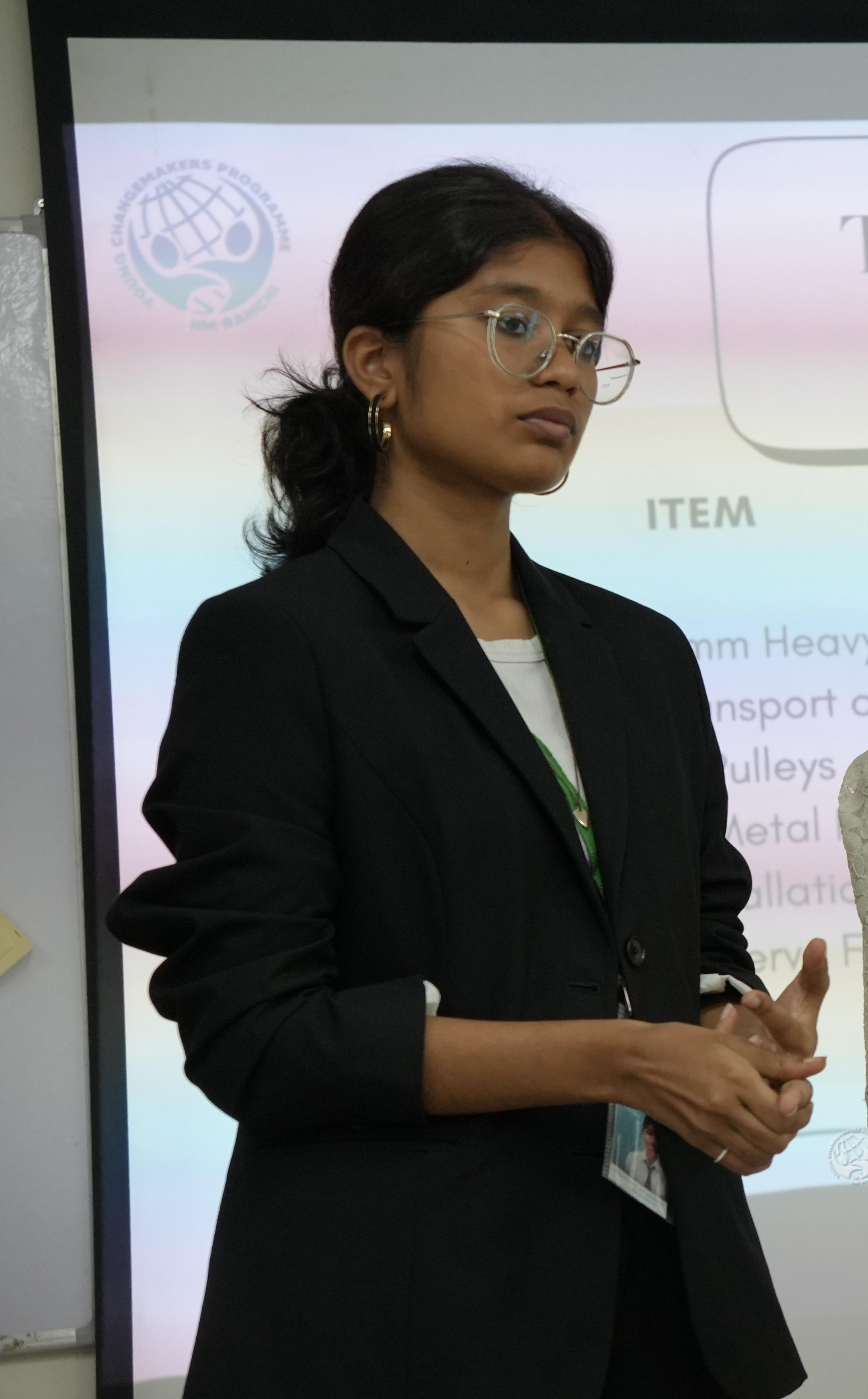
Sameeksha was invited as a speaker at YCP 4.0.
All before she turned eighteen.
A Vision for the Next Five Years
Sameeksha sees Project Aanchal growing into a structured and scalable movement with:
Multiple collection hubs across Bangalore
Standardized sorting and hygiene processes
Partnerships with schools, RWAs, and businesses
Expansion into more Indian cities
A replicable model for student groups nationwide
The goal: build a culture of thoughtful giving.
Solving a Gap India Doesn’t See
There is no organized clothing redistribution model in India. Donation remains informal and inconsistent.
Project Aanchal builds a bridge between surplus and need — turning a neglected space into a structured system.
Advice From a Young Founder to Future Entrepreneurs
Start.
Do not wait for perfect resources, timing, or approval.
People will doubt your idea before they understand it. But the spark that made you begin is yours — protect it and act on it.
The clarity comes after the first step.
Contact
Website:projectaanchal.carrd.co
Founder LinkedIn:Sameeksha Chandrashekar