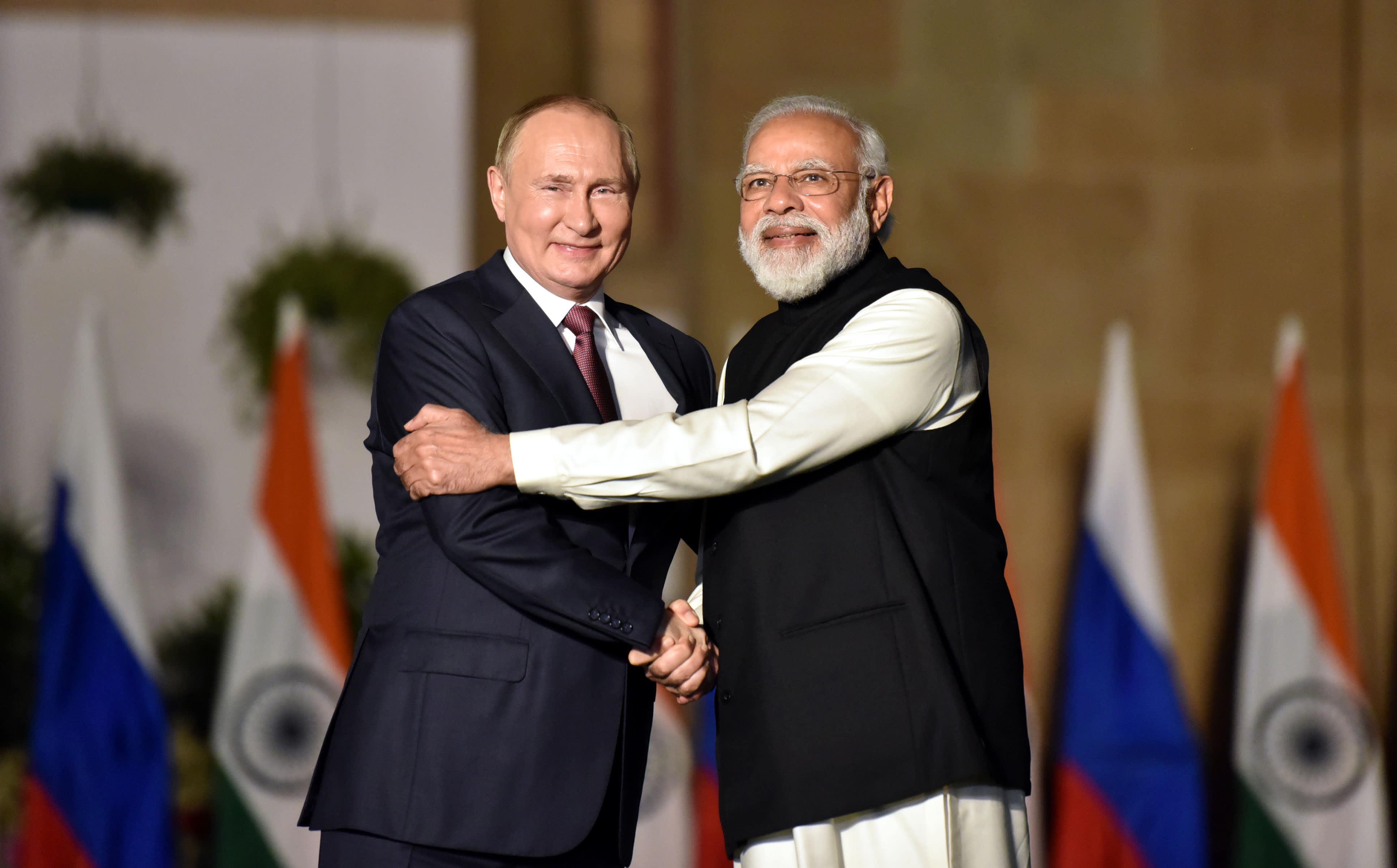
Russian President Vladimir Putin’s visit to India for the 23rd India-Russia Annual Summit in December 2025 marked a significant moment in bilateral relations, being his first trip to the country since the outbreak of the Ukraine war. The summit, held in New Delhi, was closely watched by global observers as it reflected the evolving dynamics between India and Russia amid shifting geopolitical realities and ongoing international sanctions on Moscow. The meeting focused on strengthening cooperation in defense, energy, trade, and migration, culminating in the ratification of a new logistics support agreement aimed at deepening strategic ties between the two nations.
Significance of Putin’s Visit
Putin’s visit underscored the enduring partnership between India and Russia, a relationship that has historically been a cornerstone of India’s foreign policy. Despite mounting pressure from Western allies for India to distance itself from Russia following the Ukraine conflict, New Delhi has maintained a balanced approach, continuing to engage with Moscow on critical fronts such as defense procurement and energy supplies. The summit provided an opportunity for both leaders to reaffirm their commitment to bilateral cooperation and address mutual concerns in the face of global challenges.
Key Focus Areas of the Summit
Defense Cooperation
Defense has long been a central pillar of India-Russia relations, with Russia being one of India’s largest suppliers of military hardware. During the summit, both sides discussed the ongoing modernization of India’s armed forces and the potential for joint production and technology transfer. India’s continued reliance on Russian defense equipment, including fighter jets, submarines, and missile systems, was a key talking point. The logistics support agreement signed during the summit is expected to facilitate smoother military cooperation, allowing for easier movement of personnel and equipment between the two countries for joint exercises and strategic operations.
Energy Security
Energy cooperation was another major highlight of the summit. India has been diversifying its energy imports in recent years, but Russia remains a significant supplier of crude oil, especially after the Ukraine war disrupted global energy markets. The logistics agreement is also expected to streamline the supply chain for Russian oil and gas to India, ensuring energy security for the world’s third-largest oil importer. Both countries discussed the potential for expanding collaboration in nuclear energy and renewable energy projects, signaling a broader commitment to energy security and sustainability.
Trade and Economic Ties
Trade between India and Russia has seen fluctuations in recent years due to geopolitical tensions and economic sanctions. The summit provided a platform for both nations to explore new avenues for economic cooperation, including trade in goods and services, investment, and technology. Both sides expressed a desire to increase bilateral trade volumes and reduce barriers to business, particularly in sectors such as pharmaceuticals, information technology, and agriculture. The logistics support agreement is expected to boost trade by improving connectivity and reducing logistical hurdles for businesses operating between the two countries.
Migration and People-to-People Ties
Migration and people-to-people ties were also on the agenda, with both countries recognizing the importance of fostering cultural and educational exchanges. India has a significant diaspora in Russia, and the summit discussed ways to strengthen educational partnerships, promote tourism, and facilitate easier visa processes for students, professionals, and tourists. The logistics agreement is expected to benefit Indian students and professionals working in Russia by simplifying travel and residency procedures.
The Logistics Support Agreement
The ratification of the new logistics support agreement was one of the most significant outcomes of the summit. This agreement is designed to enhance military and civilian cooperation by providing a framework for the mutual use of logistics facilities, including ports, airports, and supply chains. The agreement is expected to facilitate joint military exercises, humanitarian assistance, and disaster relief operations, as well as streamline the movement of goods and people between the two countries. The logistics support agreement is seen as a strategic move to strengthen India-Russia ties in the face of growing regional and global challenges.
Geopolitical Implications
Putin’s visit and the outcomes of the summit have significant geopolitical implications. India’s continued engagement with Russia, despite international pressure, reflects its commitment to an independent foreign policy and strategic autonomy. The summit also highlighted the importance of balancing relations with both Russia and the West, as India seeks to navigate the complexities of the current global order. The logistics support agreement is expected to enhance India’s strategic depth and provide greater flexibility in its foreign policy decisions.
Regional and Global Context
The India-Russia Annual Summit took place against the backdrop of ongoing conflicts in Ukraine and the Middle East, as well as rising tensions in the Indo-Pacific region. Both India and Russia expressed concern over the impact of these conflicts on global stability and economic growth. The summit provided an opportunity for both countries to coordinate their positions on key regional and global issues, including counter-terrorism, nuclear non-proliferation, and climate change. The logistics support agreement is expected to play a crucial role in enhancing regional security and stability.
Challenges and Opportunities
While the summit marked a positive step in India-Russia relations, both countries face challenges in maintaining and expanding their cooperation. International sanctions on Russia, fluctuating energy prices, and evolving security threats pose significant hurdles. However, the logistics support agreement and other initiatives discussed during the summit provide a framework for addressing these challenges and seizing new opportunities for collaboration. Both India and Russia are committed to deepening their strategic partnership and exploring new avenues for cooperation in the coming years.
Conclusion
Russian President Vladimir Putin’s visit to India for the 23rd India-Russia Annual Summit in December 2025 was a landmark event that reinforced the enduring partnership between the two nations. The summit focused on defense, energy, trade, and migration, with both countries ratifying a new logistics support agreement to strengthen bilateral ties. The outcomes of the summit have significant geopolitical implications, reflecting India’s commitment to an independent foreign policy and strategic autonomy. As both countries navigate the complexities of the current global order, the logistics support agreement and other initiatives discussed during the summit provide a framework for addressing challenges and seizing new opportunities for collaboration in the years ahead.