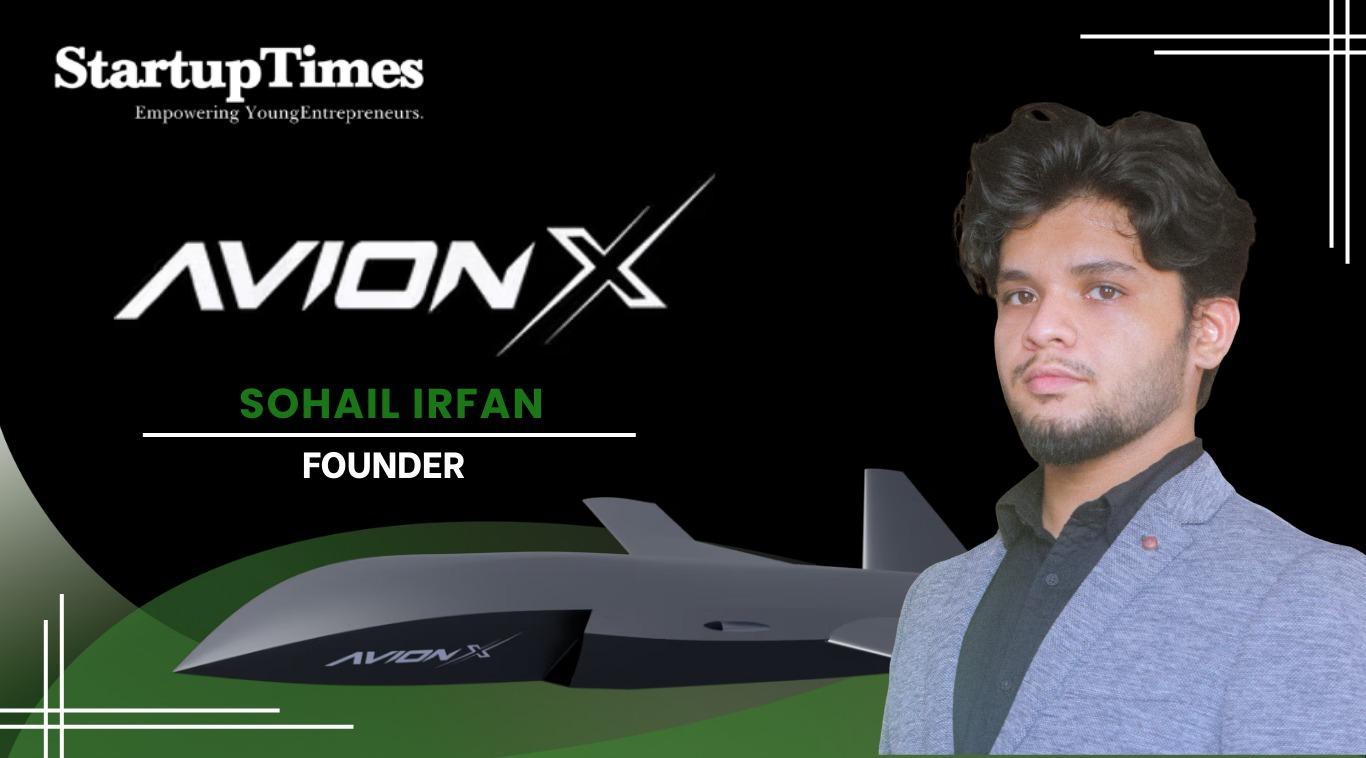
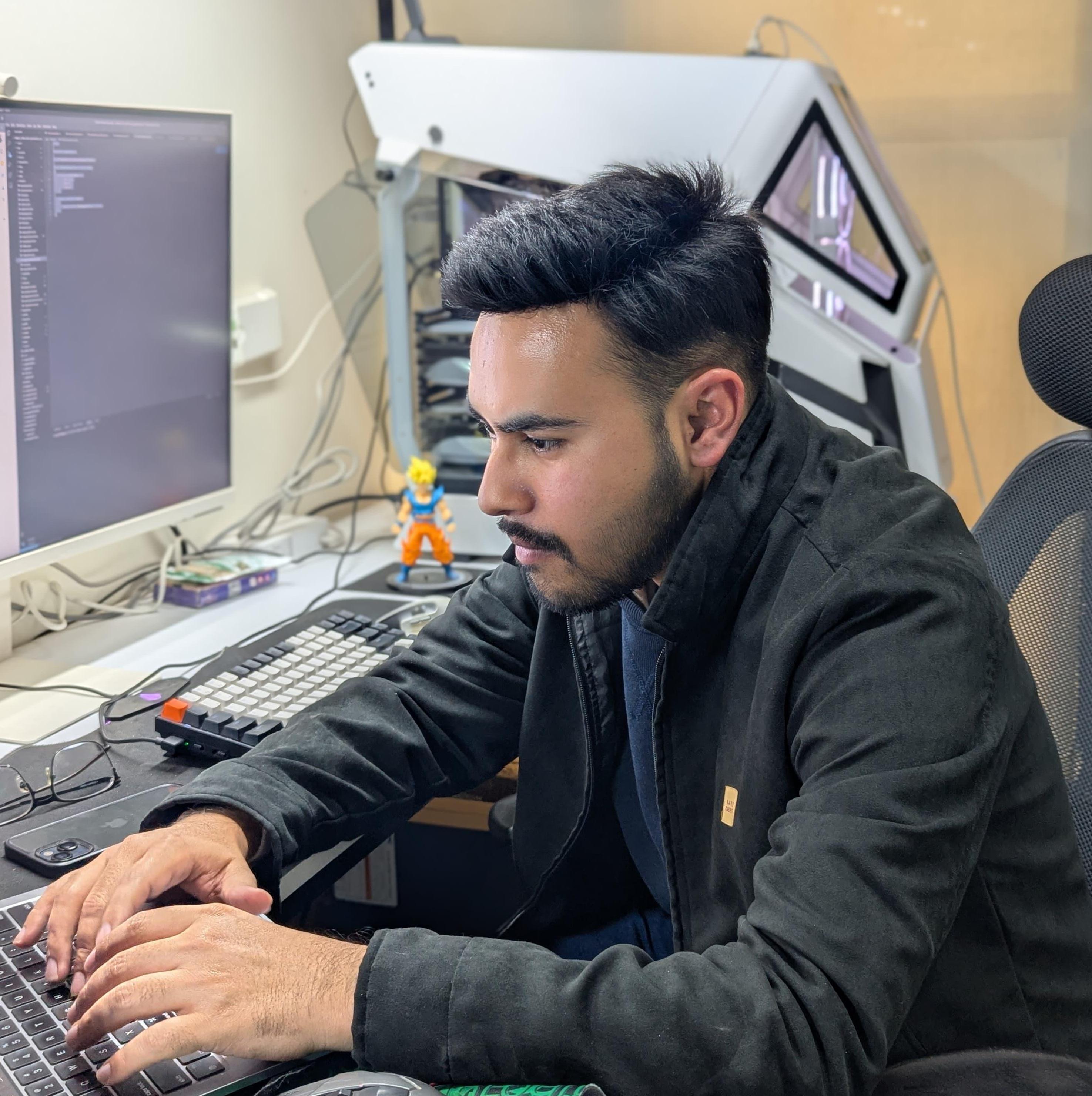
When Sohail Irfan was ten years old, he watched Iron Man for the first time. Like many children, he was captivated by the suit and the spectacle. But what stayed with him long after the credits rolled was something quieter and more enduring. The idea of a builder. Someone who could merge software, engineering, and problem-solving to create systems that mattered in the real world.
That image slowly became a personal compass.
Years later, people would begin calling him the Indian Tony Stark. Not because of theatrics or borrowed glamour, but because of how he approached problems. He built where others hesitated. He delivered where constraints were tight. And he chose to stay and build in India when leaving would have been easier.
Building the Mind Before Building the Company
Academically, Sohail describes himself as average. There were no flawless report cards or early accolades. But one thing was always clear. Computer Science came naturally to him. While other subjects fluctuated, coding and systems thinking remained consistent strengths.
When he did not clear IIT due to Physics, Chemistry, and Mathematics not matching his Computer Science performance, he made a conscious choice. Instead of chasing institutions, he chose to chase capability. He joined one of the best private universities in West Bengal, Adamas University, with a clear objective: to build skills that could stand on their own.
Classroom learning was only one part of his education. Outside it, Sohail was constantly building, experimenting, and taking on freelance work to expose himself to real-world constraints. That mindset led to a pivotal break. He secured an internship with an organization funded by the United States Air Force and DARPA.
He entered as a web developer. He did not stay there.
As he proved his ability to execute, he was pulled deeper into core systems. He worked on AI- and machine-learning-driven autonomy, real-time systems, UAV and robotics integration, simulation, rapid prototyping, and field testing under operational constraints. More importantly, he learned how to design systems that could survive imperfect data, unreliable communications, and time pressure.
This was where the Indian Tony Stark label first emerged. Colleagues used it informally to describe someone who could combine software depth, systems thinking, and execution speed. Sohail built components that established vendors had marked as impossible. He delivered under constraints that discouraged others.
The name stuck because it reflected his approach. Build first. Prove through execution.
Choosing India, Not Convenience
At this stage, Sohail faced a clear fork in the road. He could move abroad for higher studies and contribute within established defense ecosystems, or he could stay in India and attempt something far more uncertain.
He chose to stay.
For Sohail, being the Indian Tony Stark was never about personal branding. It was about ownership. If India needed deep-tech builders in defense and strategic technology, he wanted to be one of them.
Breaking into the Indian defense ecosystem without legacy connections was difficult. Trust was earned slowly, and access was limited. Sohail responded the only way he knew how. By applying relentlessly to challenges, competitions, and opportunities, and by letting working systems speak louder than credentials.
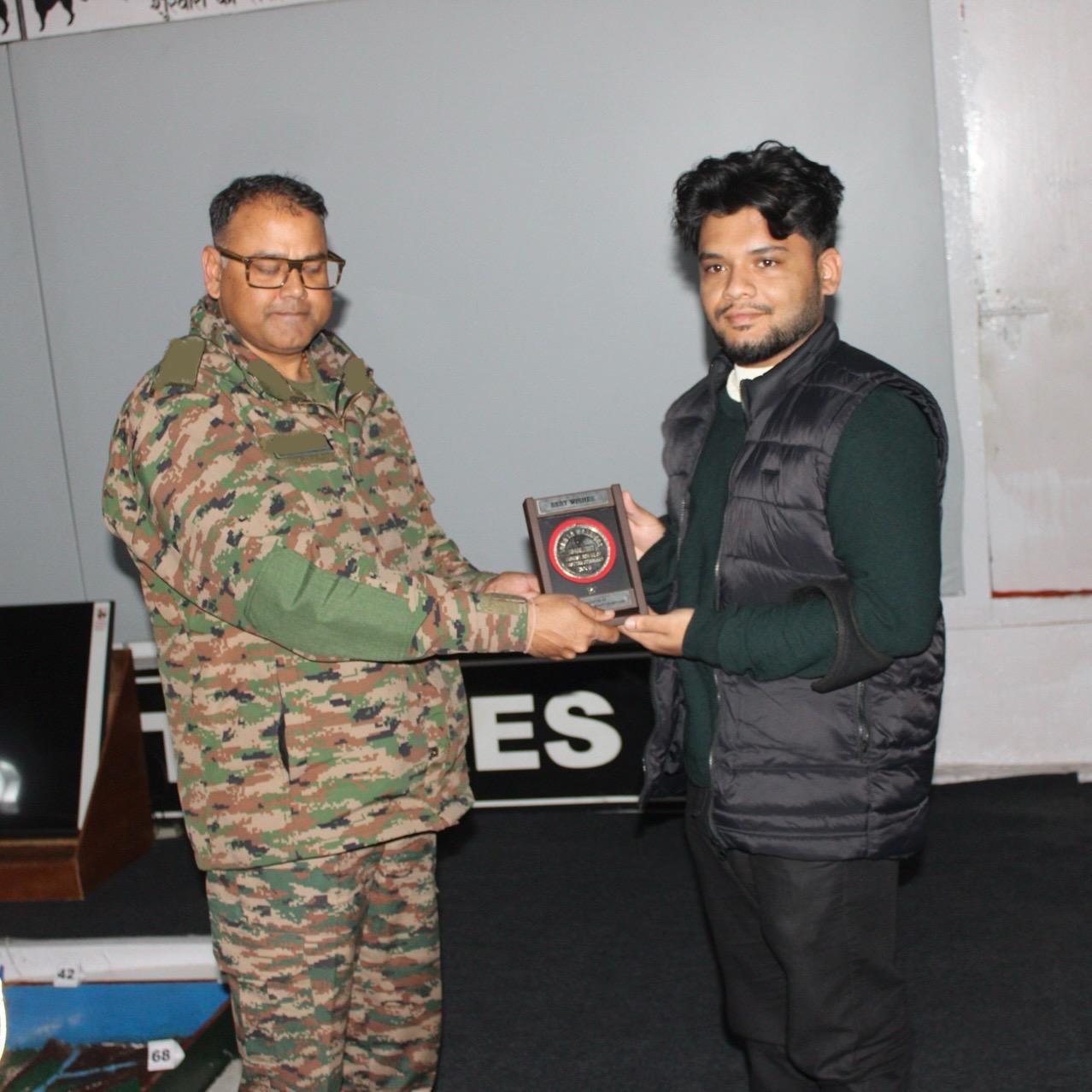
Over time, that persistence led to recognition. Engagements with the Indian Armed Forces followed. Guidance came from those who had seen his work. Invitations began to open doors that pitches never could.
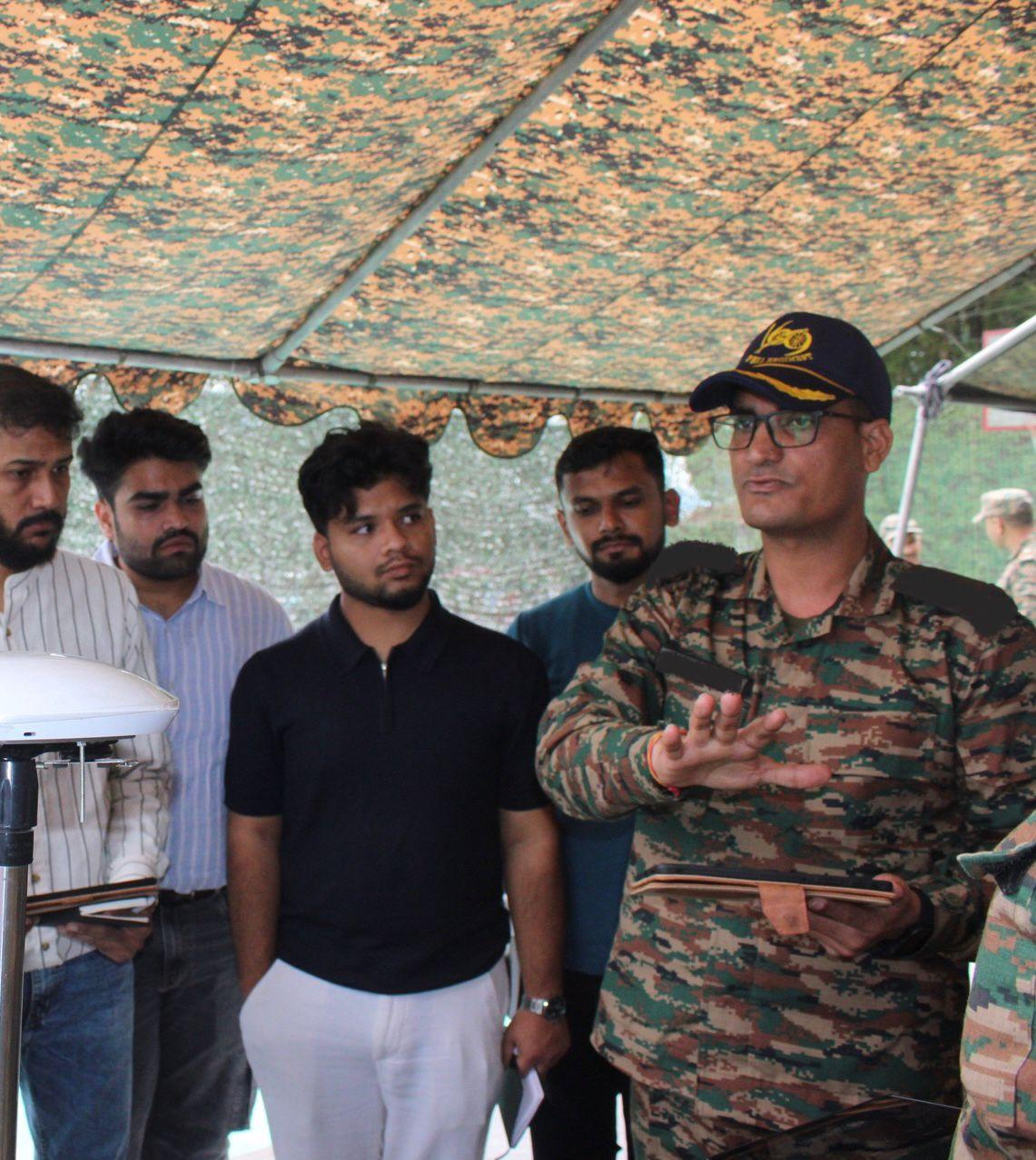
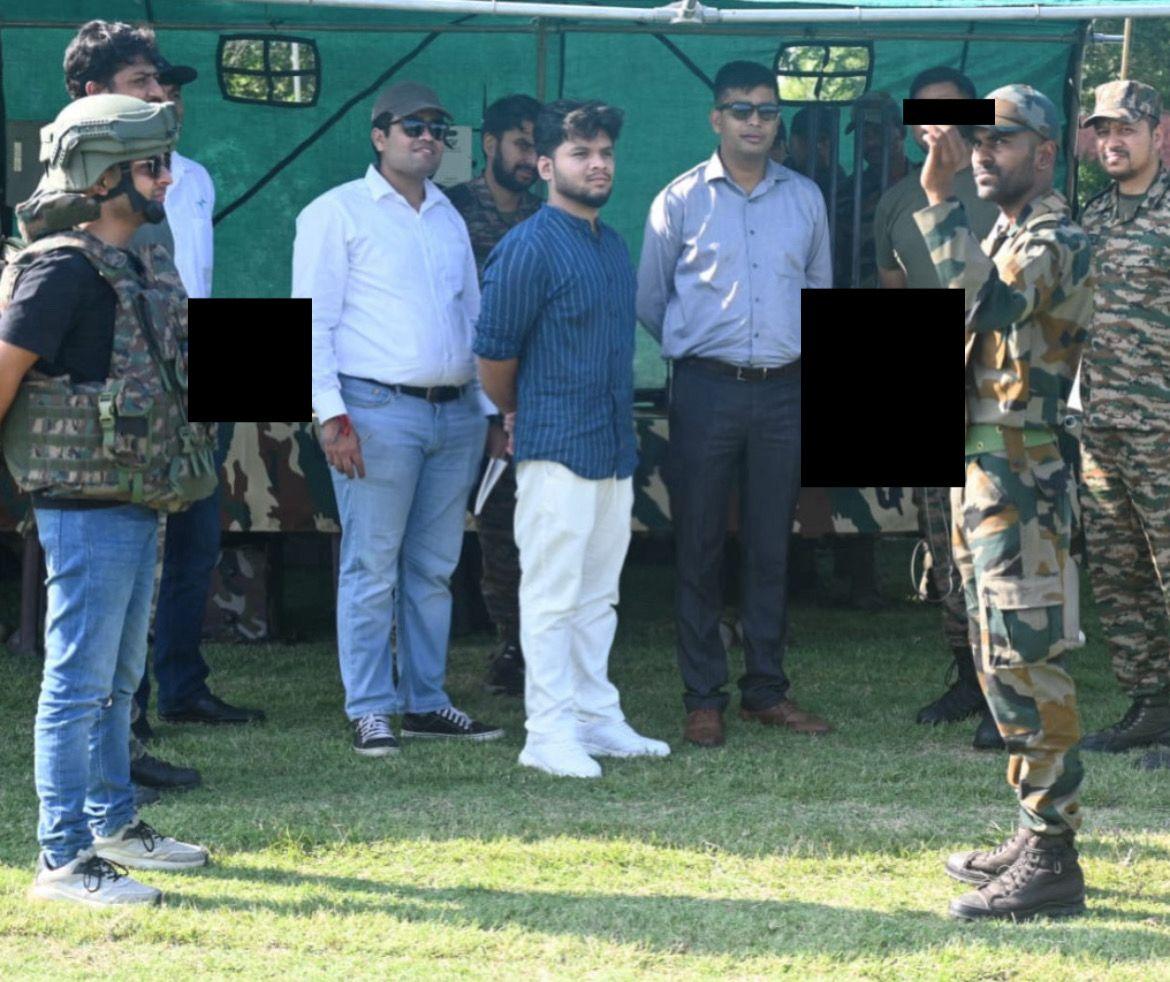
Two Forward Area Tours became defining moments. For the first time, Sohail saw operational reality up close. Terrain, weather, communication gaps, and the daily pressures faced by soldiers reshaped how he thought about technology. From that point on, “field-ready” stopped being a phrase. It became a design rule.
Why AvionX Aerospace Had to Exist
The idea behind AvionX Aerospace came from a hard truth. For decades, India relied heavily on imported defense equipment. Even with growing indigenisation, dependence created friction in cost, timelines, upgrades, and strategic autonomy.
That reality became impossible to ignore during the May 2025 India–Pakistan escalation, particularly Operation Sindoor. The scale at which unmanned systems were deployed made one thing clear. Drones and networked systems were no longer future capabilities. They were present-day infrastructure.
Sohail did not see this as an airframe problem. He saw it as a systems problem. Platforms without secure communications, autonomy under electronic warfare, integrated data pipelines, and usable command interfaces fail when it matters most.
AvionX Aerospace was founded to close that gap.
Engineering Like the Indian Tony Stark, Deploying Like a Soldier
AvionX focuses on building end-to-end, mission-ready systems designed around how operations actually unfold.
TRINETRA is an AI-powered C3 and situational awareness platform built to solve information fragmentation. It unifies live video feeds, mission data, locations, and alerts from multiple drones and teams into a single operational console. It runs across devices and operating systems, scales by user and console count, and is designed for rapid deployment without platform lock-in.
VAJRA is a Collaborative Combat Aircraft, reflecting AvionX’s autonomy-first philosophy. In contested environments, manual control and perfect communications are unrealistic. VAJRA is designed to operate under degraded links, make intelligent decisions, and support coordinated unmanned missions where autonomy is essential, not optional.
NRVANA is an autonomous VTOL UAV built for rapid medical and critical payload delivery. Designed for remote, hilly, and inaccessible regions, it addresses the reality that delays cost lives. Reliability, speed, and operational readiness take priority over laboratory-perfect performance.
Across all systems, the Indian Tony Stark mindset is evident. Build ambitious technology, but make it work under pressure.
From Prototypes to Trust
The hardest challenge AvionX faced was credibility. Without legacy backing, the team focused on proof over pitch. Demonstrations, measurable outcomes, and repeated exposure to validation environments became their strategy.
Another challenge was resisting the temptation to over-engineer. Field insights from Forward Area Tours and direct user interactions forced rapid redesigns. Reliability, maintainability, and usability began to matter more than specifications on paper.
The first invitation from the Indian Army for a Forward Area Tour marked a clear shift. AvionX was no longer just a startup with ideas. It was a team worth evaluating on the ground. A second tour deepened trust. Engagements with the Indian Air Force aligned technology roadmaps with real operational requirements, creating a pathway toward trials and adoption discussions.
The Road Ahead
In the next five years, Sohail wants AvionX Aerospace to evolve into a scaled, field-proven defense technology manufacturer. The focus remains on indigenous unmanned systems and mission software that can be deployed quickly, upgraded continuously, and trusted in real operations.
Alongside defense, AvionX plans selective expansion into civilian applications such as medical delivery, disaster response, and remote logistics, where the same core technologies can deliver meaningful impact.
Advice from the Indian Tony Stark
Sohail’s advice is direct. Do not wait for perfect conditions. Pick a painful, specific problem. Build a small version fast. Put it in front of real users. Feedback will teach you more than planning ever will. Protect your focus, say no often, and keep shipping. In the long run, persistence outperforms talent that never delivers.
Conclusion
The “Indian Tony Stark” story is not about a nickname. It is about a way of building. Sohail Irfan’s journey shows what happens when ambition is matched with execution and when global-level engineering is rooted in local responsibility.
To learn more about AvionX Aerospace, visit their official website at https://www.avionx.in
In a time when India’s strategic capabilities are being reshaped, stories like this remind us that some of the most important builders are choosing to stay, learn fast, and build for the frontlines.