In an industry often driven by trends, timelines, and surface-level aesthetics, Fanusta stands out for asking a deeper question. What if design could preserve culture, empower communities, and still scale sustainably?
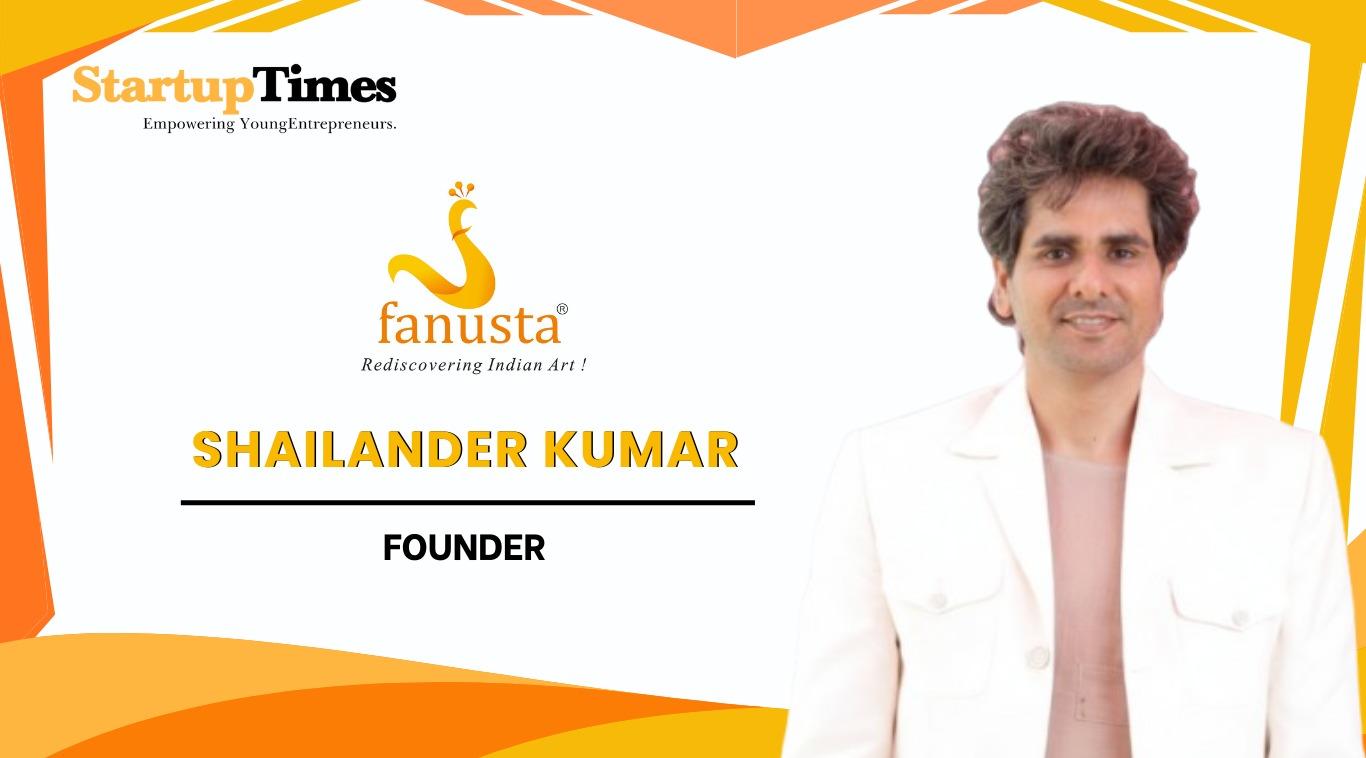
Founded in 2016 by Shailander Kumar, Fanusta Global Private Limited is a design-first, tech-enabled interior and turnkey solutions company that bridges modern architecture with India’s rich artisanal heritage. What began as a vision to bring craftsmanship into contemporary spaces has today grown into a profitable business and grown double in revenue from last year delivering large-scale hospitality, institutional, and public infrastructure projects across India.
At the heart of Fanusta’s journey lies its founder’s own evolution from a corporate technologist to a purpose-driven entrepreneur.
A Corporate Beginning Rooted in Technology
Shailander Kumar’s professional journey began far from design studios and construction sites. An alumnus of the University of Rajasthan, he holds a B.E. (Hons) in Computer Engineering along with a Post Graduate Diploma in Telecom and IT. Early in his career, he joined Vodafone Global Enterprise, where he worked on strategic digital transformation initiatives across international markets.
The exposure to global systems, process discipline, and technology-led scale shaped his thinking. Yet, despite professional success, something felt incomplete. During his travels and interactions beyond boardrooms, Shailander found himself increasingly drawn to India’s craft traditions and the people behind them.
He observed a widening gap. On one side were skilled artisans with generational knowledge but limited access to modern markets. On the other were architects, developers, and consumers seeking unique, meaningful design but stuck with mass-produced solutions.
Fanusta was born from this realization.
The Birth of Fanusta and the First Client
In 2016, Shailander took the leap from corporate leadership to entrepreneurship and launched Fanusta. The idea was clear from the beginning. Fanusta would not be a conventional interior firm. It would be a design-led platform that co-created with artisans while delivering end-to-end solutions for modern spaces.
The first paying client came through a referral. Drawn by Fanusta’s promise of bespoke interiors co-created with craftspeople and delivered under one roof, the client entrusted Shailander and his team with their project. The successful execution not only validated the business model but also set the tone for Fanusta’s future growth through trust and word of mouth.
What Fanusta Does and Why It Is Different
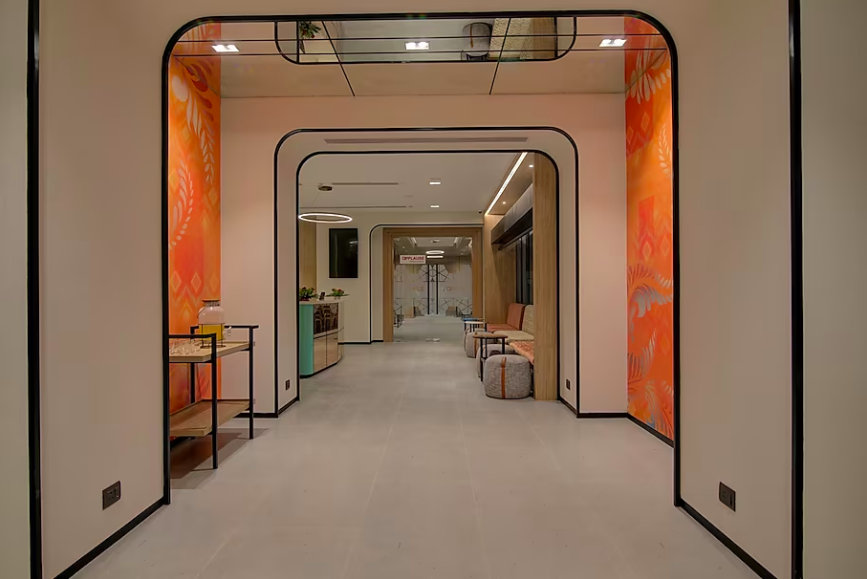
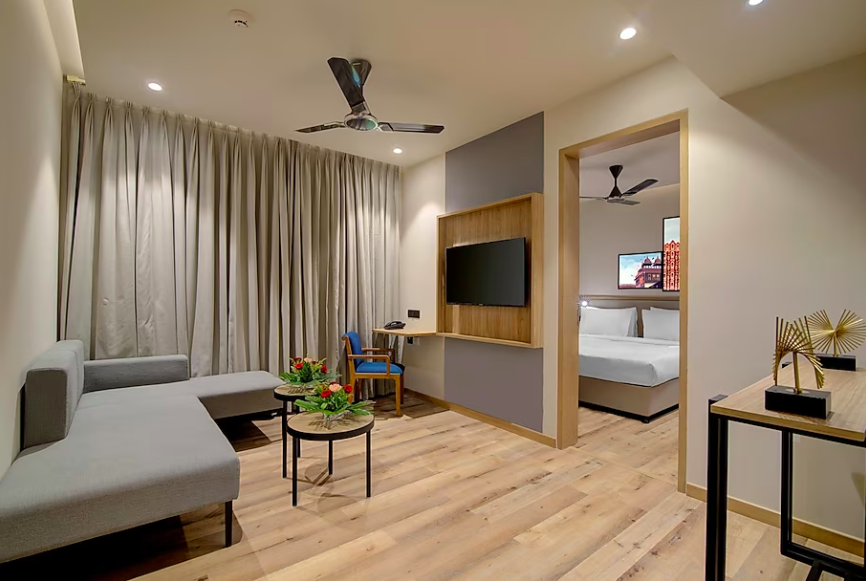
Fanusta is a design-first, tech-enabled interior and turnkey solutions company operating across hospitality, educational institutions, and purpose driven community spaces. Its offerings cover the entire lifecycle of a project, from spatial planning, 3D visualization, BOQ and BOM preparation, and cost estimation to on-site execution and delivery.
What truly differentiates Fanusta is its co-creation model with local artisans and craftspeople. Unlike traditional turnkey firms that rely heavily on standardized materials and mass production, Fanusta embeds regional art, sustainable materials, and traditional craftsmanship into contemporary design.
The company also leverages proprietary project tracking technology and a hybrid execution model to ensure transparency, cost efficiency, and timely delivery. This combination of craft and system has helped Fanusta compete with much larger players while staying true to its cultural roots.
Navigating Growth and Structural Challenges
One of the biggest challenges Fanusta faced was evolving from a purely artisan-driven craft platform into a scalable, tech-enabled design and build company. Integrating modern systems without diluting authenticity required continuous experimentation and internal alignment.
Another critical challenge was managing working capital, especially during large B2B and community projects that demanded long execution cycles. Strategic planning, phased delivery models, and building long-term trust with investors and partners helped Fanusta navigate these complexities.
Throughout this phase, Shailander emphasizes the importance of resilience, process discipline, and a committed team. Scaling was not just about adding projects but about strengthening systems without losing purpose.
The COVID Phase and a Defining Pivot
Like many businesses in the design and construction ecosystem, Fanusta was deeply impacted during the COVID pandemic. Projects were paused, supply chains were disrupted, and revenues came under pressure. There were moments when the future looked uncertain.
Instead of retreating, Fanusta used the crisis to evolve. The company shifted from being product-focused to building deeper, concept-driven design solutions. Digital presentations, remote collaboration with artisans, and reimagined workflows became the new normal.
This period also saw Fanusta pivot towards hospitality, educational, and public-good infrastructure projects. Community initiatives such as Aanganwadi upgradations and Happiness Gurukul emerged during this time, focusing on creating emotionally enriching and community-centric learning environments.
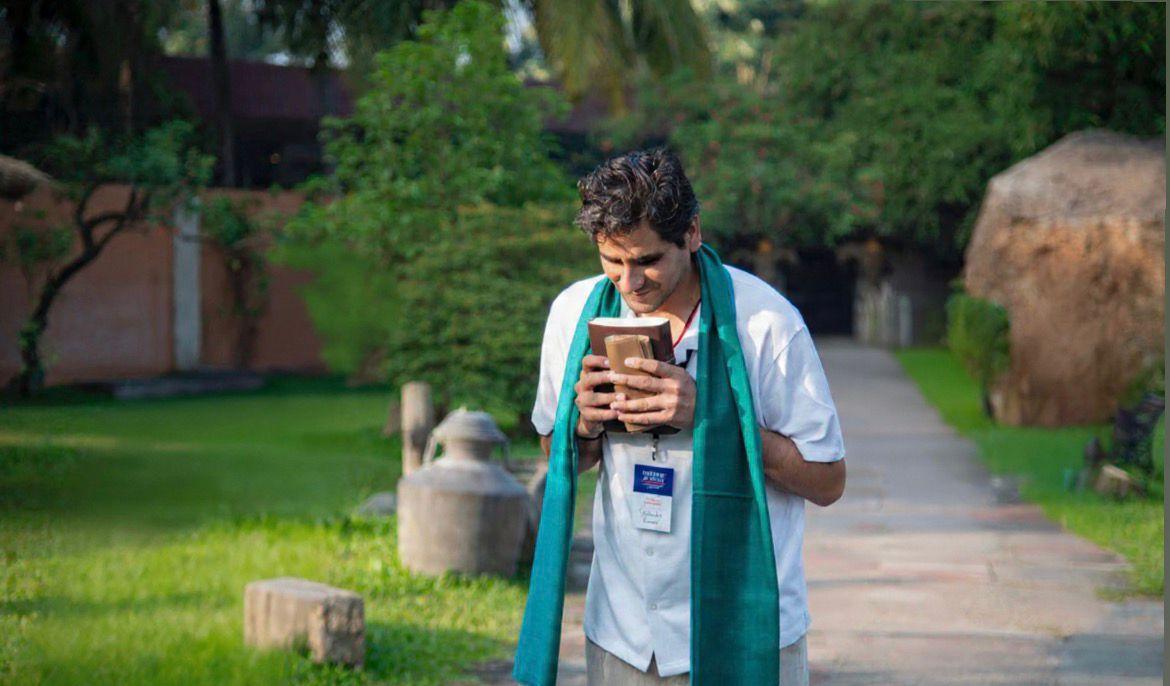
For Shailander, what kept him going was purpose. Fanusta was never just a business. It was a bridge between heritage and modernity. Personally, long-distance running and poetry became anchors during this phase. Running built discipline and clarity, while poetry offered emotional grounding in uncertain times.
Busting Myths in the Interior Design Industry
Shailander strongly disagrees with the belief that great design is defined by aesthetics alone. According to him, good design is not just seen, it is experienced. Functionality, sustainability, cultural relevance, and user emotion are equally critical.
Another common misconception is that working with local artisans compromises scalability or quality. Fanusta’s journey has proven the opposite. With the right systems, artisan-led design can scale sustainably while delivering superior value.
By integrating technology, AI tools, and CRM-led execution tracking into its craft-driven model, Fanusta challenges the idea that tradition and technology cannot coexist
Decisions That Changed the Trajectory
One of the most important decisions Shailander made early on was focusing on hospitality and educational spaces, especially during the pandemic. While many firms continued chasing residential projects, Fanusta chose a less crowded but more impactful path.
This decision led to long-term institutional partnerships and positioned Fanusta as a purpose-led design house. Projects like Aanganwadi upgradation and Happiness Gurukul strengthened execution capabilities while reinforcing the company’s commitment to social impact.
Milestones That Matter
Among Fanusta’s proudest milestones is working with prestigious clients such as Taj Hotels, ITC Hotels, and the Burman family’s real estate venture under the Dabur Group. These collaborations validated Fanusta’s design philosophy and execution capabilities at scale.
Equally significant is the impact-driven work in early childhood and educational infrastructure. Seeing design transform learning environments and community spaces remains one of the most fulfilling outcomes of the journey.
Vision for the Next Five Years
Fanusta’s vision is to redefine architecture and interior spaces by blending cutting-edge technology with India’s artisanal legacy. Over the next five years, the company aims to establish itself as a global design and build brand, particularly in hospitality, education, and community infrastructure.
With a target of reaching ₹100 crore in revenue by FY 2027–28, Fanusta plans to expand global design collaborations, build IP-driven craft-tech innovations, and continue uplifting artisan communities through scalable design solutions.
For Shailander, the ultimate goal is not just growth, but creating spaces that tell stories and generate social value.
Advice to Aspiring Entrepreneurs
Shailander’s advice is rooted in lived experience. Do not wait for perfect conditions to begin. Start with clarity of purpose and stay deeply connected to the problem you are solving. Be ready to pivot when required and surround yourself with people who believe in the vision.
Entrepreneurship, he believes, is not a straight line. It is a journey of belief, resilience, and inner strength. Whether through running, reflection, or creative expression, building mental strength is as important as building a business.
Company Websites
www.fanusta.com
www.indesignbyfanusta.com
Founder’s LinkedIn
http://linkedin.com/in/shailander
Instagram
@indesignbyfanusta
@houseoffanusta